
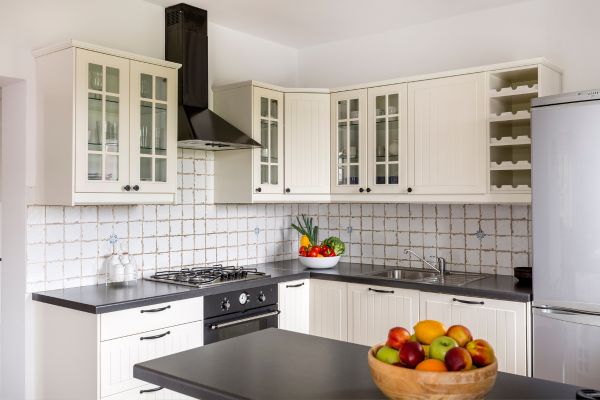
A small kitchen can feel surprisingly complicated. One minute you are making coffee, and the next you are juggling cutting boards, pans, groceries, and somehow trying to open a cabinet door without bumping into something. It does not take long for a compact kitchen to start feeling crowded, especially in modern homes and apartments where every square foot matters.
Still, limited space does not automatically mean limited style or functionality. In fact, some of the most thoughtfully designed kitchens are the smallest ones. When every inch counts, creativity tends to take over. Smart layouts, hidden storage, multi-purpose furniture, and subtle visual tricks can completely transform how a kitchen feels and functions.
That is why space-saving kitchen design ideas have become increasingly popular in recent years. People are looking for practical ways to create kitchens that feel open, organized, and enjoyable to use without sacrificing warmth or personality. The good news is that even small changes can make a surprisingly big difference.
Vertical Space Often Goes Unused
One of the most overlooked areas in many kitchens is the wall space above eye level. In smaller kitchens, vertical storage can completely change how the room functions.
Tall cabinets that extend closer to the ceiling instantly create more room for dishes, pantry items, and seasonal cookware. While upper shelves may not be practical for everyday items, they work well for things that are only used occasionally.
Open shelving can also help a compact kitchen feel lighter. Instead of bulky upper cabinets closing in the room, a few carefully placed shelves create breathing space while still offering storage. The key is balance. Too many exposed items can quickly make a kitchen feel cluttered.
Hanging storage solutions add another layer of efficiency. Rails for utensils, magnetic knife strips, wall-mounted spice racks, and suspended pot holders free up drawers and counter space without making the kitchen feel overcrowded.
In small kitchens, walls quietly become part of the storage system.
Compact Layouts Work Best When Movement Feels Natural
A beautiful kitchen loses its charm quickly if it feels awkward to move through. Good design is not only about appearance. It is also about flow.
One reason galley kitchens often work surprisingly well is because everything stays within reach. A tight but efficient layout can sometimes feel more functional than a large kitchen where movement becomes excessive.
Keeping the sink, stove, and refrigerator relatively connected creates a smoother cooking experience. Designers sometimes refer to this as the kitchen work triangle, though modern layouts are often more flexible than the old rule suggests.
The important thing is reducing unnecessary movement. If drawers constantly collide or appliances block pathways, even a stylish kitchen can become frustrating over time.
Space-saving kitchen design ideas usually succeed because they simplify how people interact with the room rather than trying to force too much into it.
Hidden Storage Creates a Cleaner Look
Clutter tends to shrink a room visually. Even a reasonably sized kitchen can feel cramped when countertops overflow with appliances, utensils, and random containers.
Hidden storage solutions help maintain a calmer appearance while keeping essentials accessible. Deep drawers with internal organizers are often more practical than traditional lower cabinets because they allow easier access to items at the back.
Pull-out pantry systems have become increasingly popular for this reason. Narrow spaces beside refrigerators or between cabinets can suddenly become useful storage areas for spices, canned goods, or dry ingredients.
Toe-kick drawers beneath lower cabinets offer another clever solution. These shallow compartments can store baking trays, linens, or flat kitchen tools that rarely have a proper home elsewhere.
There is something satisfying about a kitchen that appears simple on the surface while quietly hiding impressive functionality underneath.
Light Colors Can Make Small Kitchens Feel Larger
Color has a surprisingly strong influence on how spacious a room feels. Small kitchens tend to benefit from lighter tones because they reflect more natural light and create an airier atmosphere.
White kitchens remain popular partly for this reason, though softer shades like warm beige, pale gray, muted sage, or creamy off-whites can feel more relaxed and inviting. Highly reflective surfaces such as glossy backsplashes or glass cabinet inserts can also bounce light around the room.
That said, small kitchens do not need to avoid darker colors entirely. A deeper accent wall or darker lower cabinets can add contrast and personality without overwhelming the space. The trick is maintaining visual balance.
Natural light matters too. Heavy curtains often make compact kitchens feel smaller than they actually are. Keeping windows open and unobstructed helps create a brighter, more expansive feeling.
Sometimes a room does not need more square footage. It simply needs more light.
Multi-Functional Furniture Makes a Huge Difference
In compact homes, furniture often works hardest when it serves more than one purpose. Kitchens are no exception.
Fold-down tables, extendable countertops, and movable kitchen islands provide flexibility without permanently consuming valuable floor space. A slim rolling cart can function as extra prep space during cooking and then tuck away afterward.
Breakfast bars built into countertops have also become common in smaller kitchens because they eliminate the need for separate dining furniture. Even a narrow ledge attached to a wall can create a practical eating or work area.
Benches with built-in storage offer another smart option for kitchens connected to dining nooks. Hidden compartments beneath seating can store linens, cookware, or pantry overflow while keeping the room visually tidy.
The best multi-functional designs rarely draw attention to themselves. They simply make daily life easier.
Smart Appliances Are Changing Kitchen Design
Modern appliances are becoming smaller, sleeker, and more adaptable to compact living spaces. This shift has opened up new possibilities for small kitchen layouts.
Slim refrigerators, combination microwave ovens, drawer dishwashers, and induction cooktops allow homeowners to maintain functionality without overwhelming the room. Some newer appliances are specifically designed for apartments and urban living where space limitations are common.
Built-in appliances also help create cleaner visual lines. When refrigerators and dishwashers blend into cabinetry, the kitchen often feels more cohesive and spacious.
Appliance placement matters just as much as size. Even small adjustments can improve usability. For example, mounting microwaves beneath counters instead of above eye level can reduce visual heaviness in tighter kitchens.
Technology is quietly reshaping how kitchens use space, often in ways people barely notice at first glance.
Open Shelving Needs Balance to Work Well
Open shelving appears constantly in modern kitchen inspiration photos, but it works best when approached thoughtfully. In small kitchens, it can absolutely create a more open feeling, though too much exposure quickly becomes visually overwhelming.
A few shelves displaying everyday dishes, glassware, or carefully chosen kitchen items can add warmth and personality. The space feels lived-in rather than overly formal.
However, organization becomes more important with open storage. Mismatched containers, overcrowded shelves, or excessive decoration can make the room feel chaotic instead of spacious.
Some homeowners mix open shelving with closed cabinetry to maintain balance. This combination keeps essential storage hidden while allowing a few curated areas to remain visible.
Like many design ideas, restraint often matters more than the trend itself.
Minimalism Helps Small Kitchens Breathe
Minimalism does not mean a kitchen has to feel cold or empty. In smaller spaces, it simply means being intentional about what stays visible.
Too many decorative objects, duplicate utensils, or rarely used appliances can slowly consume valuable working space. Small kitchens benefit from editing. Keeping only frequently used essentials within easy reach immediately creates a calmer atmosphere.
Clear countertops make an especially dramatic difference. Even a little extra empty space can change how functional a kitchen feels day to day.
Textures and materials help prevent minimal spaces from feeling sterile. Wood finishes, soft lighting, natural stone, and subtle color variation add warmth without introducing clutter.
Some of the most inviting kitchens are surprisingly simple once you look closely.
Personal Style Still Matters in Small Spaces
Practicality matters in compact kitchens, but personality should not disappear entirely. A small kitchen can still reflect individual taste through materials, lighting, artwork, hardware, or color choices.
Warm pendant lights, textured backsplashes, vintage cabinet handles, or handmade ceramics can make a kitchen feel distinctive without requiring extra space.
Plants are another easy way to soften compact interiors. Even a small herb garden near a window adds freshness and visual life to the room.
People often assume functional spaces must sacrifice charm, but thoughtful design usually proves the opposite. Limitations sometimes encourage more creative and personal solutions.
Conclusion
Small kitchens come with challenges, but they also encourage smarter, more intentional design. The best space-saving kitchen design ideas are rarely about squeezing in more cabinets or following trends blindly. They focus on creating balance between functionality, comfort, and visual openness.
Whether it is using vertical storage, simplifying layouts, incorporating multi-purpose furniture, or reducing clutter, even modest changes can reshape how a kitchen feels every day. A compact kitchen that flows well often feels more enjoyable than a large space filled with unnecessary excess.
In the end, good kitchen design is less about size and more about how the space supports daily life. When every element has purpose and the room feels calm instead of crowded, even the smallest kitchen can become one of the most welcoming parts of a home.