
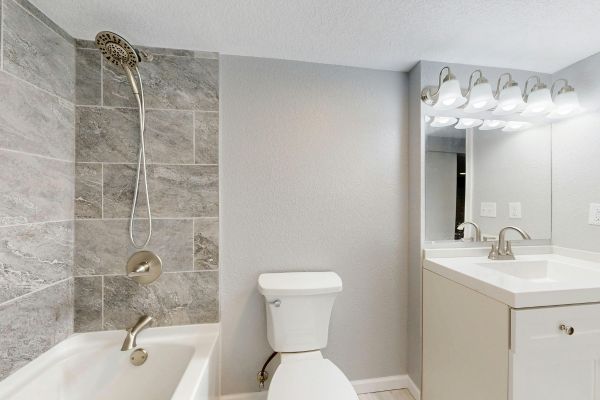
Small bathrooms have a way of testing every design decision. A towel left in the wrong place, a vanity that sticks out too far, or a shower door that swings awkwardly can make the whole room feel smaller than it really is. Yet a compact bathroom does not have to feel cramped, uncomfortable, or unfinished. With the right space saving bathroom fixtures, even a narrow powder room or tiny apartment bathroom can feel practical, calm, and surprisingly stylish.
The secret is not simply choosing smaller items. It is choosing fixtures that work smarter. A good small-space bathroom uses every inch with intention, from the wall area above the toilet to the unused corners beside the sink. The best fixtures do more than save space; they improve movement, reduce visual clutter, and make daily routines feel easier.
Why Fixture Choice Matters in a Small Bathroom
In a large bathroom, a poorly placed sink or bulky cabinet may be inconvenient, but it rarely ruins the whole room. In a small bathroom, every fixture affects how the space feels and functions. The sink, toilet, shower, storage, mirror, and lighting all compete for limited room. When one piece is too large or badly positioned, the bathroom can quickly feel crowded.
That is why space planning matters before style. A beautiful vanity may look perfect online, but if it blocks the door or leaves no room to stand comfortably, it becomes a daily frustration. Small bathrooms need fixtures with slimmer profiles, clever mounting, and clean shapes. They should support normal movement rather than interrupt it.
A compact bathroom also benefits from visual lightness. Wall-mounted fixtures, glass shower screens, floating vanities, and open shelving can make the room feel less heavy. The floor becomes more visible, and that alone can create a stronger sense of openness.
Wall-Mounted Sinks for More Floor Space
A wall-mounted sink is one of the most useful choices for a very small bathroom. Because it attaches directly to the wall and leaves the floor open beneath it, the room instantly feels lighter. This type of sink works especially well in powder rooms, guest bathrooms, and narrow layouts where a full vanity would feel too bulky.
The main advantage is clear movement. Without a cabinet base taking up floor area, there is more space for feet, cleaning, and general use. Some wall-mounted sinks come with a small ledge for soap or a toothbrush holder, while others keep the design extremely minimal.
Of course, the trade-off is storage. A wall-mounted sink will not hide toiletries or cleaning supplies the way a vanity does. But in a small bathroom, that can actually be helpful. It encourages you to keep only what you need in the room. A small shelf, medicine cabinet, or recessed niche nearby can handle the essentials without filling the floor.
Floating Vanities That Balance Storage and Openness
For bathrooms that need storage but still feel tight, a floating vanity is often the best middle ground. It attaches to the wall like a cabinet but leaves open space underneath. This makes the bathroom appear larger because more floor is visible, while still giving you drawers or cupboards for everyday items.
Floating vanities are especially useful in family bathrooms where storage matters. Towels, toiletries, extra soap, and grooming products need a proper place. Without storage, small bathrooms can become messy very quickly. A floating vanity keeps those things hidden while maintaining a cleaner, more modern look.
The size and depth of the vanity matter. A shallow floating vanity can be much easier to live with than a standard deep cabinet. Even saving a few inches from the front can improve how comfortably someone moves around the room. Soft-close drawers, built-in organizers, and simple handles can also make the fixture feel more practical.
Corner Sinks for Awkward Layouts
Corners are often wasted in small bathrooms, but they can be surprisingly useful. A corner sink is designed to fit into an area that might otherwise stay empty. This can help free up the main wall and make the bathroom easier to navigate.
Corner sinks work particularly well in tiny powder rooms or bathrooms where the door opens directly into the sink area. By placing the basin in the corner, you reduce the chance of bumping into it. It also keeps the center of the room clearer, which makes the whole layout feel less squeezed.
The design should still feel comfortable. A corner sink that is too small may look neat but become annoying to use. The best option is compact without being impractical, with enough basin depth to wash hands without splashing water everywhere.
Compact Toilets with Smarter Profiles
Toilets take up more space than many people realize. In small bathrooms, choosing a compact toilet can make a noticeable difference. Some models have shorter projections, meaning they do not extend as far from the wall. Others use rounded bowls instead of elongated ones to save a little extra room.
A wall-hung toilet can create an even stronger sense of space because the tank is hidden inside the wall and the bowl floats above the floor. This makes cleaning easier and gives the bathroom a sleek, uncluttered appearance. However, wall-hung toilets usually require more planning and professional installation, so they are often better suited to renovations rather than quick updates.
For a simpler change, a compact close-coupled toilet can still help. The key is to check measurements carefully. In a small bathroom, two or three inches can make a real difference between a comfortable walkway and an awkward squeeze.
Walk-In Showers Instead of Bulky Bathtubs
In many small bathrooms, the bathtub is the largest fixture in the room. If the tub is rarely used, replacing it with a walk-in shower can completely change the space. A shower with a low-profile tray or a level-entry design can make the room feel more open and easier to use.
Glass shower panels are especially helpful because they do not visually divide the room the way a curtain or solid partition does. Clear glass allows light to travel through the space, making the bathroom feel larger. A fixed glass panel can also be better than a swinging shower door in a tight layout because it does not need extra clearance.
This does not mean every small bathroom should lose the tub. For homes with young children or people who enjoy baths, a compact bathtub may still be worth keeping. But where showering is the main routine, a well-designed walk-in shower often gives the best use of space.
Sliding Doors and Pocket Doors for Easier Movement
Sometimes the problem is not the bathroom fixtures themselves but the door. A standard hinged door needs room to swing open, and in a small bathroom that space is valuable. It can hit the vanity, block the toilet, or make the room feel awkward before anyone even steps inside.
A sliding door or pocket door can solve this problem beautifully. A pocket door disappears into the wall, while a sliding barn-style door moves along the outside. Both options remove the swing area, giving you more freedom with fixture placement.
This change can be especially useful when remodeling. It may allow for a better vanity, a wider shower opening, or simply more comfortable movement. Even though it is not a bathroom fixture in the usual sense, the door affects the way every fixture works.
Mirrored Cabinets That Add Hidden Storage
A mirror is essential in almost every bathroom, but in a small room it should do more than reflect your face. A mirrored medicine cabinet adds storage without taking up extra floor space. It keeps small items hidden and helps the bathroom feel tidier.
Recessed mirrored cabinets are particularly effective because they sit partly inside the wall rather than sticking out too much. They provide storage for skincare, toothpaste, razors, and medicine while keeping the sink area clear. In a small bathroom, a clean countertop can make the entire room feel more peaceful.
Large mirrors also help bounce light around the space. A mirror placed above a compact sink or floating vanity can make the wall feel wider and brighter. When paired with good lighting, it can reduce the closed-in feeling that small bathrooms often have.
Recessed Shelves and Shower Niches
Storage does not always need to project into the room. Recessed shelves and shower niches are excellent space saving bathroom fixtures because they use the depth inside the wall. Instead of adding a bulky shower caddy or freestanding rack, you get a built-in area for shampoo, soap, and other items.
A shower niche can make even a small shower feel more organized. Bottles stay off the floor and edges, which improves both appearance and safety. Near the sink or toilet, recessed shelving can hold towels, decor, or daily essentials without narrowing the room.
The important part is placement. A niche should be easy to reach and properly waterproofed in wet areas. When done well, it looks like a natural part of the design rather than an afterthought.
Towel Rails, Hooks, and Vertical Fixtures
Small bathrooms often have more wall space than floor space, so vertical thinking is essential. Towel rails, hooks, ladder racks, and wall-mounted holders can keep things accessible without crowding the room.
Hooks are sometimes more practical than towel bars because they take up less horizontal space. A row of hooks behind the door or beside the shower can hold towels, robes, or clothing. Heated towel rails can also work well in compact bathrooms because they combine towel storage with comfort.
Above-toilet shelving is another useful idea when handled carefully. The area above the toilet is often empty, but it can hold a slim cabinet or open shelves. The goal is to add storage without making the room feel top-heavy or cluttered. Simple lines and shallow depths usually work best.
Choosing Fixtures That Feel Light, Not Just Small
A small fixture is not always the right fixture. Some compact pieces feel awkward, while others look heavy despite their size. The best space saving bathroom fixtures feel visually light. They have clean edges, simple shapes, and practical proportions.
Color and finish matter too. White, soft neutral tones, glass, chrome, brushed nickel, and light wood can help a small bathroom feel open. Dark fixtures can look beautiful, but they need balance and good lighting so they do not make the room feel closed in.
It also helps to keep the design consistent. Too many different fixture styles can make a small bathroom feel busy. A simple sink, slim toilet, glass shower panel, and clean storage pieces often create a calmer result than a mix of decorative elements competing for attention.
Planning Before Buying
Before choosing any fixture, measurements are essential. Small bathrooms leave little room for guesswork. Measure the door swing, walking space, wall width, toilet clearance, shower area, and vanity depth. Think about how the bathroom is actually used in the morning, not just how it looks in a photo.
It is also worth deciding what matters most. Some people need storage more than open floor space. Others need a bigger shower, better lighting, or easier cleaning. A bathroom used by guests has different needs from one used every day by a family.
Good small-space design is not about copying a trend. It is about solving the room’s real problems. The right fixtures should make the bathroom easier to use, not just more attractive.
Conclusion
A small bathroom can still feel comfortable, stylish, and thoughtfully designed when every fixture has a purpose. Wall-mounted sinks, floating vanities, compact toilets, glass showers, recessed shelves, mirrored cabinets, and smart towel storage can all help create more room without sacrificing daily comfort.
The best approach is to think beyond size alone. Space saving bathroom fixtures should improve movement, reduce clutter, and make the room feel calmer. When the layout is planned carefully and each piece is chosen with intention, even the smallest bathroom can become a space that feels open, practical, and pleasant to use every day.