
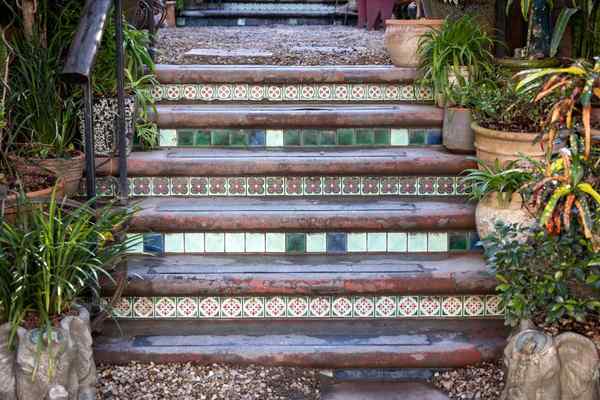
Terracotta has always carried a sense of warmth, but in 2026 it feels newly relevant. As interiors move away from icy greys and overly polished finishes, homeowners are looking for materials that feel grounded and individual. That is where terracotta tile flooring ideas come into their own. The colour is earthy, the surface has character, and even a simple room can gain depth when the floor looks gently aged rather than factory-perfect.
This comeback is not only about recreating a rustic farmhouse. Today’s terracotta flooring can feel Mediterranean, contemporary, traditional or quietly minimalist, depending on the tile shape, grout colour and surrounding materials. The best schemes balance its natural warmth with clean detailing, allowing the floor to become part of the architecture rather than a decorative afterthought.
Why Terracotta Flooring Feels Right for 2026
Warm flooring trends are gaining momentum because people increasingly want homes that look lived in, not staged. Terracotta supports that shift beautifully. Its shades range from pale peach and dusty rose to burnt orange, red and deep brown, so the overall effect can be subtle or dramatic.
Natural clay tiles also vary from piece to piece. Small differences in tone, texture and edge shape create movement across the floor, helping a room feel layered even when the walls and furniture are simple. For homeowners who love earthy tile ideas but prefer a more consistent surface, machine-made terracotta or a terracotta-look porcelain alternative can provide a cleaner finish.
Terracotta Tile Flooring Ideas for Different Rooms
Create a Welcoming Kitchen Floor
Terracotta is especially effective in kitchens because it softens hard surfaces such as cabinetry, stone worktops and metal appliances. Pair red-brown tiles with cream cabinets for a relaxed country feel, or use paler terracotta with flat-fronted oak cabinetry for a modern natural scheme.
In an open-plan kitchen, carrying the same flooring through the cooking and dining areas creates continuity. A wide grout joint and handmade tile produce a more traditional look, while narrower joints and neatly cut square tiles feel contemporary. Before installation, check the tile’s sealing, stain-resistance and maintenance requirements, particularly around food preparation areas.
Add Character to an Entryway
An entryway is an ideal place to use a floor with personality. Terracotta creates a warm first impression and works well with painted walls, timber furniture, woven baskets and antique pieces. A square layout feels timeless, while herringbone can make a narrow hallway look more considered.
Because entrances receive outdoor dirt and moisture, the finish matters as much as the colour. Choose a suitable sealed product, use an entrance mat and follow the tile or sealer manufacturer’s care instructions.
Warm Up a Utility or Boot Room
Utility rooms are practical but often visually overlooked. Terracotta flooring gives them warmth without requiring elaborate decoration. It pairs naturally with sage green, navy, off-white and timber, while its mottled colouring can be forgiving in a busy household.
It is worth comparing genuine terracotta with porcelain tiles designed to imitate clay. Porcelain is generally less porous and may require less ongoing sealing, while authentic terracotta offers the irregularity and patina many homeowners value. The right choice depends on your priorities and tolerance for maintenance.
Use Terracotta in a Bathroom Carefully
Terracotta can look beautiful in a bathroom alongside warm white walls, aged brass and natural wood. However, not every product is suitable for wet environments. Confirm that the chosen tile, adhesive, grout and sealer are appropriate for the exact location, and select a slip-conscious finish where water is likely to reach the floor.
Choose a Shape That Suits the Space
Square tiles are familiar and easy to style in both period and contemporary interiors. Larger squares reduce the number of grout lines and make the colour feel calmer, while smaller tiles introduce more rhythm and texture.
Rectangular brick-shaped tiles add movement. Lay them in a running bond for simplicity or in herringbone for a tailored look. Hexagonal tiles are more decorative and work particularly well in an entryway, pantry or compact kitchen.
Dry-lay a selection before installation so natural colour variation is distributed evenly rather than concentrated in one area.
Build a Balanced Colour Palette
Terracotta has a strong visual temperature, so surrounding colours should support rather than compete with it. Warm whites, oat, sand and soft beige create a calm foundation. Olive, moss and muted sage strengthen the connection to nature, while deep blue or charcoal provides sharper contrast.
For a tonal room, combine terracotta with clay pink, rust and warm brown. This works best when textures vary, such as linen curtains, plaster-style walls, timber furniture and matte ceramics. The result reflects the wider interest in earthy tile ideas and tactile, imperfect materials.
Pair Terracotta with Natural Materials
Wood is one of the easiest companions for terracotta because both materials bring warmth. Light oak keeps the room fresh, whereas walnut or dark-stained timber creates a richer mood. Natural stone can also work, although varying the tone prevents the scheme from becoming visually heavy.
Plan for Installation and Everyday Care
Traditional terracotta is porous, so sealing is often an important part of installation and maintenance. Requirements vary by manufacturer and finish, meaning generic advice should not replace the instructions for the product you buy. Some tiles are supplied pre-sealed, while others need treatment before or after grouting.
Use cleaners suitable for sealed terracotta, avoid harsh methods that could damage the finish and deal with spills promptly. If you plan to install underfloor heating, confirm compatibility with the tile supplier and follow the heating, adhesive and installation guidance. Tile thickness and system design can affect performance.
Frequently Asked Questions
Is terracotta flooring suitable for modern homes?
Yes. Neatly cut tiles, narrow grout joints and simple surrounding finishes create a cleaner, modern appearance. Large squares or slim rectangular tiles can feel especially contemporary.
Does terracotta tile need to be sealed?
Many natural terracotta tiles require sealing because clay can be porous, but the exact process depends on the product. Always follow the supplier’s instructions and use compatible cleaning products.
What colours look best with terracotta floors?
Warm white, cream, beige, olive, sage, navy and natural timber all pair well with terracotta. Choose lighter shades for softness or darker tones for stronger contrast.
Can terracotta flooring work with underfloor heating?
Some terracotta tiles are suitable for underfloor heating, but this must be confirmed for the specific tile and system. Installation, adhesive choice, heating controls and curing procedures all matter.
A Warmer Foundation for the Home
The appeal of terracotta lies in its ability to make a room feel warmer without decorative clutter. It brings colour, texture and history to the floor while adapting to different architectural styles. From a welcoming hallway to a contemporary kitchen, the strongest terracotta tile flooring ideas balance earthy character with practical finishes and carefully chosen colours.
As warm flooring trends shape 2026 interiors, terracotta offers more than a fashionable shade. Chosen carefully and maintained correctly, it can become a durable, characterful foundation that grows more personal as the home evolves.