
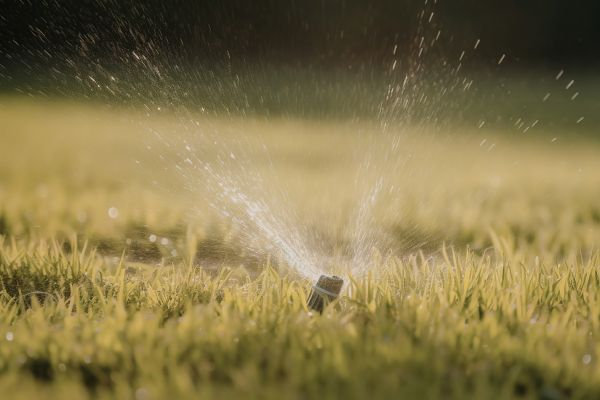
There’s a quiet satisfaction in watching a garden thrive. Leaves stay crisp, soil holds just enough moisture, and growth feels steady rather than rushed. But behind that calm scene is a practical question every gardener faces sooner or later: how to water consistently without wasting time or resources.
Garden irrigation solutions have evolved far beyond the traditional hose-and-guesswork approach. Whether tending a small backyard patch or a more expansive landscape, the way water is delivered can shape both plant health and daily routines. And perhaps more importantly, it can influence how much water is used—something that matters now more than ever.
Understanding Why Irrigation Matters
Watering a garden isn’t just about keeping plants alive. It’s about timing, precision, and balance. Too little water stresses roots; too much invites disease and weak growth. The challenge lies in delivering the right amount at the right time without constant supervision.
That’s where thoughtful irrigation comes in. Instead of relying on memory or intuition, structured systems help create consistency. Plants benefit from predictable moisture levels, and gardeners spend less time correcting mistakes. It’s not about removing the human touch—it’s about supporting it.
The Shift from Manual to Smart Watering
Most gardens begin with simple methods: a watering can, a hose, perhaps a sprinkler. These tools work, but they demand attention. Miss a day in hot weather, and the soil dries out quickly. Overcompensate the next day, and roots sit in excess moisture.
Modern garden irrigation solutions aim to reduce this unpredictability. They introduce automation and efficiency without making the process feel overly technical. What’s interesting is how subtle the shift can be. A small adjustment—like watering at dawn instead of midday—can make a noticeable difference in how much water is retained.
Over time, gardeners often move toward systems that handle the repetitive parts, leaving more room to focus on plant care, pruning, and design.
Drip Irrigation and the Art of Precision
Drip irrigation has become a quiet favorite among those who value efficiency. Instead of spraying water broadly, it delivers moisture directly to the base of each plant. The result is less evaporation and more targeted hydration.
There’s something almost meditative about it. The slow, steady release mirrors how plants naturally absorb water from the soil. It avoids the shock of sudden saturation and reduces the risk of fungal issues on leaves.
In practical terms, drip systems are especially useful for vegetable beds, flower borders, and areas where water conservation is a priority. They work well in both small gardens and larger layouts, adapting to different shapes and planting styles.
Sprinkler Systems and Coverage for Larger Spaces
For lawns or wide planting areas, sprinkler systems still hold their place. They mimic rainfall, covering a broader surface with relative ease. The key lies in choosing the right type and adjusting it properly.
Rotating sprinklers, for instance, distribute water more evenly than fixed sprays. When positioned carefully, they can reduce runoff and ensure that every section of the garden receives attention.
Timing matters here too. Early morning watering allows moisture to soak in before the sun intensifies, minimizing loss through evaporation. It’s a simple habit that can significantly improve efficiency without requiring new equipment.
Soaker Hoses and the Balance Between Simplicity and Efficiency
Somewhere between traditional hoses and drip systems sits the soaker hose. It seeps water along its length, providing a gentle, even distribution that works well for rows of plants or hedges.
What makes soaker hoses appealing is their simplicity. They don’t require complex installation, yet they offer many of the benefits associated with more advanced systems. For gardeners who prefer a low-tech approach but still want to save water, this can feel like the right balance.
There’s also a certain flexibility to them. They can be repositioned as the garden evolves, adapting to seasonal changes or new planting arrangements.
Smart Irrigation and the Role of Technology
Technology has found its way into gardening in subtle but meaningful ways. Smart irrigation systems, equipped with timers and sensors, can adjust watering schedules based on weather conditions and soil moisture levels.
It might sound overly sophisticated at first, but the idea is quite intuitive. If it rains, the system pauses. If the soil remains damp, it waits. This responsiveness prevents unnecessary watering and aligns closely with how a careful gardener would act—just without the constant monitoring.
Over time, this kind of automation can lead to noticeable water savings. More importantly, it frees up mental space. Instead of worrying about whether the garden has been watered, attention can shift to observing growth and making small improvements.
Designing an Irrigation System That Fits Your Garden
No single solution works for every garden. The layout, soil type, plant variety, and local climate all play a role in determining what will be effective.
A compact urban garden might benefit from a simple drip setup combined with occasional hand watering. A larger landscape could require a mix of sprinklers for open areas and targeted systems for beds and borders.
The process of choosing and arranging irrigation isn’t purely technical. It involves a bit of experimentation. Watching how water moves through the soil, noticing which areas dry out faster, and adjusting accordingly—these observations shape a system that feels tailored rather than imposed.
Water Conservation as a Guiding Principle
One of the most compelling reasons to explore garden irrigation solutions is water conservation. In many regions, water is no longer something to take for granted. Efficient irrigation becomes both a practical and ethical choice.
Mulching, for example, complements any irrigation system by reducing evaporation and helping soil retain moisture. Grouping plants with similar water needs can also prevent overwatering certain areas while under-watering others.
These practices don’t require advanced tools, yet they amplify the effectiveness of any system in place. It’s a reminder that good gardening often comes down to small, thoughtful decisions.
The Subtle Impact on Daily Routine
Perhaps the most underrated benefit of a well-designed irrigation system is the way it changes daily life. Watering becomes less of a task and more of a background process. The garden continues to receive care, even on busy days.
There’s a quiet relief in that. It allows for a more relaxed relationship with the garden—one where attention can shift from maintenance to enjoyment. Sitting outside in the evening, noticing how plants respond, becomes easier when the basics are already handled.
Adapting Through Seasons and Growth
Gardens are never static. Plants grow, weather shifts, and needs change. A system that works perfectly in spring might need adjustment in the heat of summer or the cool of autumn.
This is where flexibility becomes important. Being open to tweaking schedules, repositioning hoses, or adjusting flow rates ensures that the irrigation system evolves alongside the garden.
It’s not about achieving a perfect setup once and leaving it untouched. It’s about staying engaged, making small changes, and allowing the system to mature over time.
Finding the Right Rhythm Between Nature and Control
At its core, irrigation is about balance. Too much control can feel rigid; too little leads to inconsistency. The most effective garden irrigation solutions find a middle ground, supporting natural processes without overriding them.
Water flows, soil absorbs, plants respond. The system simply guides this cycle, making it more predictable and efficient. And in doing so, it creates a garden that feels both cared for and alive.
A Reflective Conclusion on Sustainable Watering
Garden irrigation solutions are not just tools—they’re part of a broader approach to gardening that values efficiency, observation, and sustainability. By choosing methods that align with the needs of both plants and the environment, it becomes possible to save water and time without sacrificing the joy of the process.
Over time, these choices shape the garden in subtle ways. Growth becomes steadier, maintenance feels lighter, and the relationship between gardener and space deepens. It’s less about controlling every drop of water and more about working with the natural rhythms already present.
In the end, a well-irrigated garden doesn’t just look healthy. It feels balanced, intentional, and quietly resilient—exactly what most gardeners are hoping to achieve.