
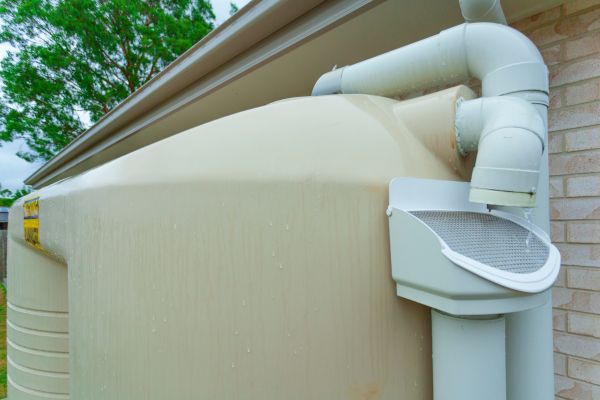
Rainwater harvesting systems for houses have moved from being a rural survival idea to a practical feature for modern homes. In many places, homeowners are thinking more carefully about water use, garden maintenance, rising utility bills, and the simple reality that clean water should not be wasted when it falls freely from the sky.
At its core, rainwater harvesting is a straightforward concept. Rain falls on the roof, moves through gutters, passes through some form of filtering, and is stored for later use. The system can be as simple as a barrel under a downspout or as advanced as an underground tank connected to pumps and household plumbing. What makes it interesting is not just the equipment, but how neatly it fits into everyday living.
How Rainwater Harvesting Works at Home
A home rainwater harvesting system begins with the roof. The roof acts as the collection surface, directing rainfall into gutters and downpipes. From there, the water usually passes through a screen or first-flush diverter. This part matters because the first flow of rain often carries dust, leaves, bird droppings, and other debris from the roof.
After basic cleaning, the water moves into a storage tank. Tanks can be placed above ground, tucked along the side of a house, hidden under decking, or installed underground where space is limited. A small pump may be added if the water needs to travel to a garden tap, toilet system, washing machine, or irrigation line.
The final use depends on how clean the water needs to be. For gardens, lawns, car washing, and outdoor cleaning, basic filtration is often enough. For indoor non-drinking uses, the system needs better filtration and a more careful plumbing setup. Drinking water use requires serious treatment and local approval, so most household systems focus on non-potable uses.
Why Homeowners Are Paying Attention
The appeal of rainwater harvesting systems for houses is not only environmental. There is also a very practical side to it. Gardens need water in dry months. Outdoor cleaning takes more water than people realize. Even toilets and laundry can account for a large share of household water use.
Using stored rainwater helps reduce pressure on mains water. It also gives homeowners a little independence during dry spells or water restrictions. That does not mean a rainwater system replaces the main supply completely. For most homes, it works best as a support system, quietly reducing demand in the background.
There is also something satisfying about using water that would otherwise run into drains. A rainy day starts to feel less like an inconvenience and more like the house is refilling its own reserve.
Main Parts of a Household Rainwater System
The roof is the first major component, and its material can affect water quality. Metal and tile roofs are commonly used for collection. Gutters should be kept clean and properly angled so water moves smoothly toward the downpipes.
Filters and leaf guards help stop large debris before it reaches the tank. A first-flush diverter improves water quality by sending the dirtiest early runoff away from storage. The tank itself should be covered to prevent insects, algae growth, and contamination.
If the water will be used beyond a simple garden hose, a pump becomes important. Pumps provide pressure, making the system feel more like a normal water supply. Some systems also include pressure controllers, finer filters, and backup connections to mains water.
None of these parts are especially mysterious, but they need to work together. A poorly designed system can overflow, smell unpleasant, collect insects, or deliver weak water pressure. A well-designed one can run quietly for years with basic care.
Common Uses Around the House
The most common use for harvested rainwater is garden irrigation. Plants often respond well to rainwater because it is naturally soft and does not contain the same treatment chemicals found in mains water. For vegetable beds, lawns, shrubs, and potted plants, stored rainwater can be very useful.
Outdoor washing is another simple use. Cleaning patios, tools, bins, bikes, or cars does not usually require treated drinking water. In homes with more advanced systems, rainwater may be used for toilet flushing or laundry. These uses can save a meaningful amount of mains water over time.
Some homeowners think first about drinking water, but that is usually the most complicated route. It requires proper filtration, disinfection, testing, and compliance with local rules. For most households, the smarter starting point is outdoor and non-drinking indoor use.
Choosing the Right Tank Size
Tank size depends on roof area, local rainfall, available space, and intended use. A small rain barrel may be enough for watering a few planters. A larger above-ground tank can support a garden through dry weeks. Underground tanks are better for homes that want more storage without changing the look of the property.
The mistake many people make is choosing a tank based only on size or price. A very small tank fills quickly and overflows during heavy rain. A very large tank may never fill properly in a low-rainfall area. The best size is usually a balance between realistic rainfall and actual household demand.
It also helps to think seasonally. Rain may be plentiful during months when the garden needs less water, while dry periods may arrive just when outdoor demand rises. Good planning accounts for that mismatch.
Maintenance That Keeps the System Healthy
Rainwater systems are not difficult to maintain, but they should not be ignored. Gutters need clearing, especially after windy weather or autumn leaf fall. Filters should be checked and cleaned. Tanks should stay sealed, shaded where possible, and protected from pests.
First-flush diverters may need occasional emptying or inspection. Pumps should be tested from time to time, particularly before the season when water demand increases. If the system is connected to indoor plumbing, backflow prevention and professional checks become more important.
A little routine attention prevents most problems. The water should not smell bad, look dirty, or attract insects. When it does, the issue is usually with debris, poor sealing, stagnant water, or a neglected filter.
Costs and Practical Value
The cost of rainwater harvesting systems for houses varies widely. A basic barrel setup can be inexpensive and easy to install. A larger tank with filters and a pump costs more but offers much greater usefulness. Fully integrated systems with underground storage and indoor plumbing require a bigger budget and professional installation.
The financial return depends on local water prices and how much rainwater the household actually uses. In some areas, savings may be modest. In others, especially where water is expensive or gardens are large, the system can make a noticeable difference.
Still, value is not only measured in bills. Reduced runoff, better garden resilience, and lower demand on treated water all matter. For homeowners who enjoy practical sustainability, rainwater harvesting feels less like a gadget and more like a sensible household habit.
Local Rules and Water Safety
Before installing a larger system, it is wise to check local regulations. Some areas encourage rainwater collection, while others have rules about storage, plumbing connections, overflow management, or potable use. Building codes may also apply if the system connects to toilets, laundry, or mains backup.
Safety should stay at the center of the setup. Rainwater is not automatically clean just because it looks clear. Roof surfaces, gutters, and storage tanks can introduce contamination. That is why the intended use should guide the level of filtration and treatment.
For garden and outdoor use, the requirements are usually simple. For household plumbing, the standard is higher. For drinking, professional design and regular testing become essential.
A Quiet Shift in How Homes Use Water
Rainwater harvesting is not a dramatic lifestyle change. That may be its biggest strength. Once installed, the system simply becomes part of the house. Rain comes, the tank fills, and water is available when needed.
For modern homes, this kind of quiet efficiency makes sense. It respects the weather, reduces waste, and gives homeowners another way to manage daily resources. It also encourages a different way of seeing rainfall. Instead of watching water rush off the roof and disappear, you start to notice its value.
Conclusion
Rainwater harvesting systems for houses are practical, flexible, and increasingly relevant. They can be small and simple or fully integrated into a home’s water routine. The best system is not always the biggest or most expensive one, but the one that matches the property, climate, and real household needs.
At a time when water use deserves more thought, collecting rainwater feels refreshingly sensible. It is an old idea, but in the modern home, it still has a very useful place.