
Making Your Home Smarter Without Making It Complicated
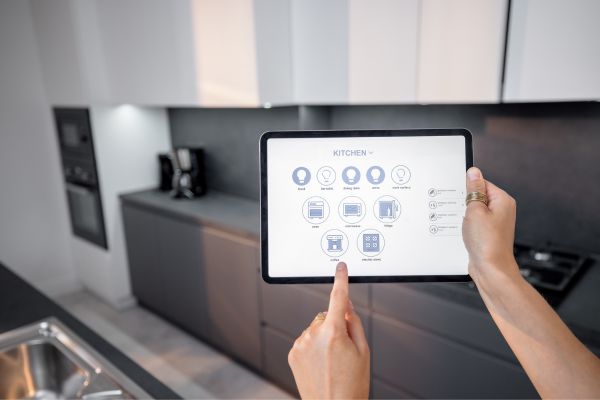
Home automation used to sound like something reserved for luxury houses, new builds, or people who enjoyed spending weekends reading technical manuals. Now, it has become much more approachable. A few simple devices, a steady Wi-Fi connection, and a bit of planning can make everyday routines feel smoother without turning your home into a confusing control center.
The best DIY home automation tips usually start with one simple idea: solve small problems first. You do not need to automate every light, lock, plug, and appliance at once. In fact, doing too much too quickly often creates more frustration than convenience. A smarter approach is to look at your daily habits and notice where a small upgrade would genuinely help.
Maybe you often forget to turn off a hallway light. Maybe your living room feels too dark in the evening. Maybe you want your porch light to come on before you arrive home. These little moments are where home automation becomes useful, practical, and easy to live with.
Start With the Routines You Already Have
A smart home works best when it supports your normal routine instead of forcing you to build a new one. Before buying devices, walk through a regular day at home. Notice when you turn lights on, adjust the thermostat, open blinds, charge devices, or check doors.
Morning routines are a good place to begin. A bedroom lamp can slowly turn on before your alarm. A smart plug can start the coffee maker if the machine supports it safely. A thermostat can warm or cool the house before everyone gets moving. These changes are small, but they can make mornings feel less rushed.
Evening routines are just as useful. Lights can dim around sunset. Outdoor lights can switch on automatically. A smart speaker can play relaxing music while you cook or clean. The goal is not to show off technology. It is to remove tiny decisions from the parts of the day that already feel busy.
Keep Lighting Simple and Useful
Smart lighting is usually the easiest place to start because it is visible, affordable, and instantly noticeable. A single smart bulb in a lamp can change the feel of a room. You can set it to warm white in the evening, brighter white while reading, or a soft glow before bed.
For rooms with several lights, smart switches may make more sense than replacing every bulb. A smart switch controls the whole fixture and still lets people use the wall switch like normal. This matters more than it seems. If guests or family members have to learn a complicated system just to turn on a light, the automation has probably gone too far.
Motion sensors can also be helpful in practical spaces. Hallways, closets, laundry rooms, and bathrooms are good examples. The light turns on when someone enters and shuts off later. It feels simple, almost invisible, which is often the best kind of automation.
Use Smart Plugs for Everyday Control
Smart plugs are one of the easiest DIY upgrades because they do not require wiring. You plug them into an outlet, connect them to an app, and use them to control lamps, fans, chargers, or small appliances.
They are especially useful for devices that already have a simple on-and-off function. A floor lamp can turn on at sunset. A fan can run during warmer afternoon hours. Holiday lights can follow a schedule without anyone crawling behind furniture to reach the plug.
Still, it is important to be sensible. High-heat appliances, older electronics, and anything with safety concerns should not be automated casually. A smart plug is convenient, but it is not a replacement for basic caution. If a device should not be left running unattended, automation should not change that rule.
Build Around One Main System
One common mistake in DIY home automation is buying random devices that do not work well together. A smart bulb from one brand, a plug from another, a camera from somewhere else, and suddenly your phone has five apps for basic tasks.
It helps to choose one main system early. This could be Google Home, Amazon Alexa, Apple Home, Samsung SmartThings, or another platform that fits your devices. The best choice depends on what you already use. If your household uses iPhones, Apple Home may feel natural. If you already use Alexa speakers, building around that system may be easier.
Compatibility matters. Before buying a device, check whether it works with your chosen platform. This small habit prevents a lot of headaches later. A smart home should feel connected, not scattered across different apps that barely speak to each other.
Make Security Practical, Not Paranoid
Home automation can improve security, but it should not make your home feel tense or overly monitored. Start with practical upgrades. A video doorbell can help you see who is at the door. Smart locks can be useful for families, guests, or anyone who often wonders whether the door was locked. Outdoor lights with motion detection can make entrances feel safer at night.
The key is balance. Not every corner needs a camera. Not every movement needs an alert. Too many notifications can become background noise, and then important alerts are easier to ignore. Choose the places that matter most, such as the front door, driveway, side entrance, or garage.
Good digital habits matter too. Use strong passwords, enable two-factor authentication when available, and keep device apps updated. Smart home security is not only about locks and cameras. It is also about protecting the accounts that control them.
Let Sensors Do Quiet Work
Sensors are small, often overlooked devices that can make automation feel much more natural. A motion sensor can turn on a hallway light. A contact sensor can tell you if a door or window is open. A temperature sensor can help manage comfort in rooms that get too hot or too cold.
Water leak sensors are especially useful in places like under sinks, near washing machines, beside water heaters, or close to basement plumbing. They do not seem exciting, but they can alert you before a small leak becomes a serious problem.
The beauty of sensors is that they respond to what is actually happening. Instead of relying only on schedules, your home can react to movement, temperature, light, or open doors. That makes automation feel less rigid and more thoughtful.
Create Scenes That Match Real Life
Scenes are groups of actions that happen together. A “movie night” scene might dim the lights, close smart blinds, and turn on a media device. A “leaving home” scene might turn off lights, adjust the thermostat, and lock the door. A “bedtime” scene might switch off downstairs lamps and lower the bedroom lights.
The best scenes are based on real moments, not fantasy routines. If you never use a formal dining room, there is no point creating an elaborate dinner scene for it. If your evenings are usually casual and unpredictable, keep the automation flexible.
Voice commands can make scenes easier, but they should not be the only option. Buttons, switches, and app controls still matter. A smart home should work for everyone in the house, including people who do not want to talk to a speaker every time they enter a room.
Keep Wi-Fi and Placement in Mind
Many smart home problems are really Wi-Fi problems. Devices disconnect, commands lag, and automations fail when the network is weak or crowded. Before adding too many gadgets, make sure your router reaches the rooms where devices will live.
Larger homes may need a mesh Wi-Fi system. Smaller homes may simply need the router moved to a more central spot. Smart cameras, doorbells, and outdoor devices can be especially sensitive to weak signals, so placement matters.
It is also wise to give devices clear names. “Living Room Lamp” is better than “Bulb 3.” “Front Door Lock” is better than a random model number. Good names make voice commands easier and help you troubleshoot later.
Avoid Automating Everything at Once
A smart home should still feel like a home. If every tiny action depends on an app, a routine, or a voice command, the system can become tiring. The most helpful automation often disappears into the background. Lights come on when needed. The temperature feels right. Doors are easier to manage. Small tasks happen without much thought.
Start with one room or one routine. Try it for a week. Notice what feels helpful and what feels annoying. Then adjust. Home automation is not a one-time project. It is more like slowly tuning your space so it fits the way you actually live.
A Smarter Home Should Feel Easier to Live In
The real value of DIY home automation is not having the newest devices or the most complex setup. It is about comfort, convenience, and small moments of relief. A lamp that turns on before you walk into a dark room. A thermostat that understands your schedule. A door lock you can check from bed. These are simple upgrades, but they can change how a home feels day to day.
The best DIY home automation tips are the ones that stay practical. Choose devices carefully, build around your routine, and keep the system simple enough that everyone can use it. A smart home does not need to be flashy. It just needs to quietly make ordinary life a little smoother.