
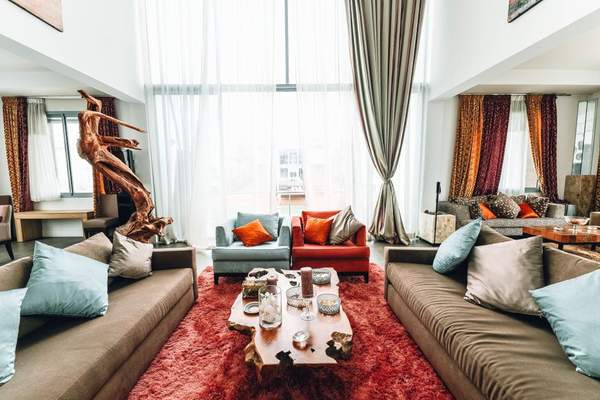
A large living room can look impressive and still feel strangely difficult to use. The problem is often not a lack of furniture, but a lack of connection. When sofas and chairs are pushed to the perimeter, people sit too far apart, conversation feels formal, and the centre becomes empty space. Creating conversation areas in large living rooms solves this by turning one oversized room into smaller, comfortable zones.
The goal is not to fill every corner. It is to give people natural places to sit, talk, read, or relax while keeping the room open and balanced.
Start With How the Room Is Actually Used
Before moving furniture, think about what happens in the room during a normal week. Do you host friends, watch television, read by a window, or need a quieter coffee spot? Large rooms work best when each activity has a clear home.
Instead of treating the entire space as one seating arrangement, identify two or three functions. The main zone might centre on a fireplace or television, while a second area could use two armchairs near a window.
Create One Primary Conversation Zone First
The main seating group should anchor the room. Start with the largest sofa, sectional, or pair of sofas, then place supporting chairs so people can face one another without turning awkwardly.
Keep seats close enough for conversation at a normal speaking volume. In many rooms, keeping the core seating pieces within roughly eight to ten feet of one another works well, although exact spacing depends on furniture size and room proportions.
A coffee table or upholstered ottoman can pull the group together. Leave comfortable space between it and the seating, commonly around 14 to 18 inches where the layout allows.
Use Rugs to Define Separate Areas
One of the easiest large living room ideas is to use rugs as visual boundaries. A rug tells the eye that a group of furniture belongs together.
Choose one large enough for at least the front legs of the main seating pieces to sit on it. A tiny rug floating in the centre can make a big room feel even more disconnected. If you create a second conversation area, use another rug that complements the first without matching it exactly.
Float Furniture Away From the Walls
Large rooms often become uncomfortable when every item is pressed against a wall. Floating furniture inward creates intimacy and gives the room shape. A sofa can sit away from the wall with a console behind it, while chairs can angle toward the centre.
This also creates useful circulation paths behind seating instead of forcing people to walk through the middle of a conversation.
Build a Secondary Conversation Area
A second seating area should have its own reason to exist. Two chairs with a small table by a window can become a morning coffee spot. A chaise and floor lamp can create a reading corner. Four compact chairs around a round table can work for drinks or games.
For example, imagine a long living room with a fireplace at one end and large windows at the other. Place the main sofa and two chairs around the fireplace, anchored by a rug. Near the windows, add two swivel chairs with a small round table between them. The room now supports both larger gatherings and quieter one-to-one conversation without needing a wall between the zones.
Use Furniture Backs as Soft Dividers
The back of a sofa can act like a low wall. Positioning a sofa across the room rather than along the perimeter can separate a television zone from a reading or conversation area while keeping sightlines open.
A slim console behind the sofa makes the division feel intentional and provides space for lamps, books, or decorative objects.
Mix Seating for a More Natural Look
A room feels more personal when every seat is not part of a matching set. Mix a sofa with armchairs, a bench, stools, or a chaise. Swivel chairs are especially useful because they can turn between two focal points or conversation groups.
A flexible conversation area layout also helps when guests arrive. Lightweight stools or occasional chairs can move closer when needed and return to the edges later.
Give Every Zone Its Own Light Source
Lighting helps separate conversation areas after dark. Rather than relying only on one ceiling fixture, layer table lamps, floor lamps, sconces, and ambient lighting around each zone.
A floor lamp beside two chairs makes that corner feel complete, while lamps on a console can visually support the main seating group. Smaller pools of light make a large room feel warmer and more intimate.
Keep the Zones Visually Connected
Separate areas should feel distinct, not unrelated. Repeat a few materials, colours, or shapes across the room. A wood tone from the main coffee table might appear again in a side table, while a fabric colour can return in cushions or artwork.
This relaxed approach often feels more inviting than perfect symmetry. Useful related topics include large living room furniture placement, choosing the right rug size, and open-plan living room layouts.
Avoid Common Layout Mistakes
The biggest mistake is assuming a large room needs oversized furniture everywhere. Too many bulky pieces can make movement difficult. Another problem is creating several tiny zones with no clear purpose. Two strong conversation areas are usually better than four weak ones.
Also check sightlines. Tall furniture should not unnecessarily block a fireplace, window, artwork, or view that helps orient the room.
Frequently Asked Questions
How many conversation areas should a large living room have?
Most large living rooms work well with two distinct seating zones. Very large or unusually long rooms may support three, but each area should have a clear function.
Should all the furniture face each other?
Not exactly. Seats should allow comfortable eye contact, but the arrangement does not need to be perfectly symmetrical. Slight angles often make conversation feel more natural.
Can a television be part of a conversation area?
Yes. The television can be one focal point, but avoid arranging every seat in a straight line toward it. Chairs placed at an angle keep the area suitable for both viewing and talking.
How do you make a large living room feel cosy without clutter?
Bring seating closer together, use appropriately sized rugs, add layered lighting, and repeat warm materials throughout the room. Define zones rather than simply adding more objects.
Make the Room Feel Social, Not Just Spacious
A large living room becomes easier to enjoy when its size is treated as an opportunity for multiple experiences rather than one oversized furniture arrangement. Start with a strong main conversation zone, add a second area with a clear purpose, and use rugs, lighting, furniture placement, and repeated materials to connect everything. The room stays open, but each seat feels like somewhere people genuinely want to stay and talk.