
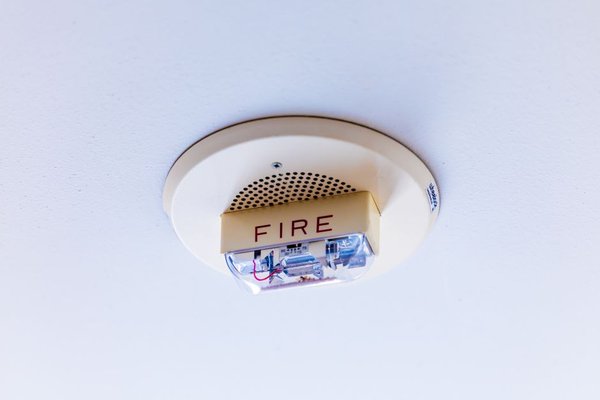
A smoke detector that chirps every minute can be maddening, especially when it starts at night. But that short, intermittent sound usually signals a maintenance issue, not something to ignore. The fix depends on whether the alarm uses a replaceable battery, a sealed battery, or a hardwired power connection.
Start by listening to the pattern, identifying the exact unit, and checking its age. Those details often narrow down smoke detector chirping causes before you touch a battery.
First, Make Sure It Is a Chirp, Not a Fire Alarm
A single chirp at regular intervals often signals a low battery or end-of-life warning. A repeated, loud three-beep pattern can mean smoke or fire. If you hear a full alarm, notice smoke, smell burning, or are unsure whether there is a fire, leave the building and call emergency services from outside. Never assume it is a malfunction.
Combination smoke and carbon monoxide alarms have additional warning patterns. A carbon monoxide alarm may sound four repeating beeps, but sequences vary by model. If a CO alarm sounds or anyone has possible exposure symptoms, get outside and seek emergency help. Check the manual only when everyone is safe.
Common Reasons a Smoke Detector Keeps Chirping
Low Battery
A low battery alarm is the most common explanation for a single chirp every 30 to 60 seconds. This happens with battery-only detectors and backup batteries inside hardwired models. Replace a removable battery promptly with the type specified on the label. Check polarity, close the compartment securely, and test the alarm as instructed.
If your detector has a sealed, nonreplaceable battery, do not pry it open. A low-battery or end-of-life signal generally means replacing the whole alarm.
An Alarm That Has Reached Its Expiration Date
Smoke alarms do not last indefinitely. The National Fire Protection Association and U.S. Fire Administration recommend replacing smoke alarms 10 years after manufacture. Look for the date printed on the unit, not the date you moved into your home.
An expired detector can chirp even after a fresh battery is installed. Some models use distinctive end-of-life signals; consult the model-specific manual. If the manufacture date is unreadable, replacing the detector is safest.
A Loose Battery or Open Battery Door
Sometimes a new battery is not making reliable contact. A partially closed drawer, incorrect battery type, reversed polarity, or dirty contacts can cause intermittent smoke alarm beeping. Refit a user-replaceable battery carefully. Never force a damaged contact or bypass a safety mechanism.
Dust, Cobwebs, or Insects
Dust and insects can enter sensing openings. These contaminants more commonly cause nuisance alarms, but may also contribute to faults. Clean exterior vents according to the manufacturer’s instructions, often with a soft vacuum attachment. Never spray water, paint, or household cleaners into the alarm.
Humidity, Steam, or Temperature Changes
Alarms near bathrooms, kitchens, poorly insulated ceilings, or HVAC vents can react to condensation, heat changes, and strong airflow. If chirping follows a shower or sudden temperature shift, note the timing, improve ventilation, and check the manufacturer’s recommended placement. Do not relocate a required alarm without preserving proper coverage.
A Hardwired Power or Backup-Battery Problem
A hardwired smoke detector chirping does not automatically mean its main electrical supply has failed. Most hardwired models also use a backup battery. Outages, power restoration, or electrical faults may produce alerts. Check whether household power is normal and whether the indicator light matches the manual.
If the chirping persists after an approved battery change, or you suspect wiring problems, contact a qualified electrician. Do not handle live wiring yourself.
The Sound Is Coming from Another Detector
Sound can travel through hallways and stairwells, making the wrong unit seem responsible. For example, if a chirp seems to come from the upstairs landing, stand near each detector for a full chirp cycle. Check bedrooms and nearby carbon monoxide alarms before replacing batteries in the wrong device.
Safe Smoke Detector Troubleshooting, Step by Step
Once you have ruled out a fire or carbon monoxide emergency, work through this sequence rather than pressing buttons randomly.
First, identify the chirping unit and note its brand, model, sound pattern, and interval. Flashing indicators can help, but their meanings vary.
Second, read the label and check the manufacture date. Replace a smoke detector that has reached its specified service life, generally 10 years.
Third, where the battery is user-replaceable, fit a fresh battery of the recommended type. Secure its door and test the detector. Remember that even a hardwired alarm may have a low backup battery.
Fourth, clean accessible vents using the approved method. Check for humidity, insects, dust, and strong airflow near the device.
Finally, follow the model’s instructions if a reset is needed. Procedures differ and may involve disconnecting power. Leave electrical work to a qualified professional. Test the alarm after maintenance to confirm it operates correctly.
If a detector keeps chirping after the correct battery replacement and safe checks, replace the unit or contact the manufacturer. Never leave an alarm disconnected while investigating.
Preventing Future Chirps
Test smoke alarms monthly, and follow the manufacturer’s schedule for changing replaceable batteries and cleaning detectors. Record manufacture dates and use a smoke alarm testing checklist for homes with several units. The U.S. Fire Administration recommends alarms inside bedrooms, outside sleeping areas, and on every level, including the basement.
Also review your home fire escape plan. A working alarm provides warning, but everyone needs to know what to do when it sounds.
Frequently Asked Questions
Why is my smoke detector chirping with a new battery?
The battery may be the wrong type, loosely fitted, or installed in a detector past its service life. Check the battery door, contacts, manufacture date, and model-specific reset instructions. Persistent chirping may mean the entire alarm needs replacing.
Why does a hardwired smoke detector chirp when power is on?
Many hardwired alarms have a backup battery that can run low independently of household electricity. A power interruption or unit fault can also trigger warnings. Follow the manual and have suspected electrical problems checked professionally.
Can I silence a chirping smoke alarm overnight?
Some models provide temporary low-battery silence, but that does not fix the problem. Never remove the battery, disconnect the unit, or disable protection merely to sleep. Restore full operation promptly.
Does one chirp every minute always mean a low battery?
No. End-of-life signals and device faults can sound similar. Consult the exact alarm’s manual to interpret its chirp and light pattern rather than relying on timing alone.
Keep the Alarm Working, Not Just Quiet
Most chirping problems trace back to batteries, age, poor battery contact, environmental interference, or power issues. Identify the sound, check the date, follow safe maintenance steps, and replace an unreliable detector. The goal is not simply a quiet ceiling; it is a smoke alarm you can trust.