
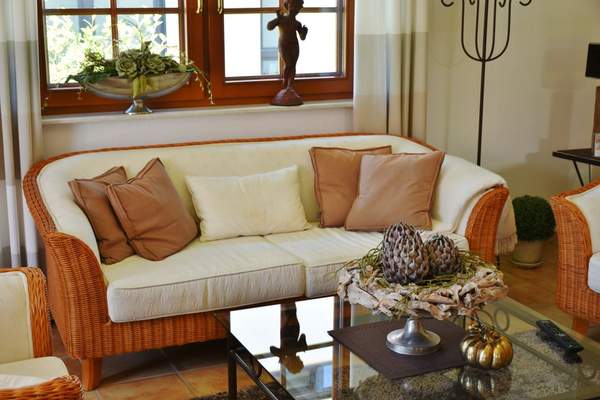
The best modern living room ideas are not about making a space look untouched. They are about creating a room that feels calm when you walk in and works beautifully when life gets messy. Think a sofa you actually want to sit on, a clear route to the kitchen, lighting that flatters the room after sunset, and just enough character to make it yours.
Modern style is often associated with pale walls and minimal furniture, but it can also include warm wood, deep colors, vintage finds, and generous cushions. The trick is to keep the shapes intentional while letting the materials and daily routines add softness.
Start With the Way You Use the Room
Before shopping for a new coffee table, notice what happens in your living room on an ordinary evening. Do people watch television, talk face to face, read, play games, or work on a laptop? Your answers should determine the furniture arrangement. A room designed around how you live will look more convincing than one copied from a photograph.
Choose one primary focal point, such as a window, fireplace, artwork, or media wall. Position the main seating to acknowledge it without blocking doors or the natural route across the room. In open-plan homes, the back of a sofa can define the lounge area more gently than a room divider.
Give Furniture Room to Breathe
One of the most effective contemporary living room ideas is surprisingly simple: plan the empty space as carefully as the furniture. As a useful starting point, allow roughly 30 to 36 inches for a main walkway and around 14 to 18 inches between the sofa and coffee table. These are practical guidelines, not rigid rules; check door swings and the needs of everyone using the room.
For example, in a 12-by-15-foot living room, try a compact sofa facing a low media cabinet, with an armchair angled toward the sofa rather than pressed into a corner. Use painter’s tape to mark the furniture footprints before buying. If you can cross the room carrying a laundry basket without sidestepping, the layout is on the right track.
Choose Clean-Lined Furniture That Still Feels Comfortable
Modern furniture works best when the silhouettes are straightforward: a sofa with a defined shape, a slim-legged side table, or a simple storage cabinet. Yet a sharp outline does not require a hard seat. Test cushion support, seat depth, and fabric texture before deciding that a piece belongs in your home. Mixing straight and rounded forms keeps a simple modern living room from becoming severe.
Get the Rug Proportions Right
A rug visually joins the seating group, making separate pieces feel like one welcoming space. Where possible, choose a size that allows at least the front legs of the sofa and chairs to sit on it. A tiny rug stranded beneath the coffee table often makes the seating arrangement look disconnected. Texture and ease of cleaning matter more than an elaborate pattern.
Build a Warm, Restrained Color Palette
Clean living room decor does not have to mean painting everything white. Soft ivory, mushroom, oatmeal, charcoal, olive, and muted clay can all support a modern room. Choose a background color that relates to the daylight and existing flooring, then repeat a small number of accents across textiles, art, and accessories.
A useful approach is to start with three material or color families. For example, warm off-white upholstery, medium oak furniture, and olive-green accents feel calm without appearing flat. Black can provide definition through a floor lamp or picture frame, but it need not dominate. A guide to warm neutral color palettes can help narrow the choices.
Use Texture Instead of Extra Ornament
When the palette is restrained, texture does the interesting work. Try linen-look upholstery against smooth wood, a woven rug beneath a matte coffee table, or a ceramic vase next to a small stack of books. These contrasts add depth without filling every surface. Choose throws that get used and fabrics that you can maintain.
Layer Lighting for Different Times of Day
Even beautifully furnished rooms can feel flat under a single bright ceiling light. Combine general illumination with a floor lamp near a reading chair and a smaller table lamp by the sofa. Separate switches or dimmers make it easier to change the mood from cleaning time to a quiet evening.
Warm-white bulbs often create a gentler atmosphere in lounge areas than very cool lighting, although personal preference and daylight matter. Choose shades that diffuse glare, and make sure task lighting actually reaches the pages of a book or the surface where someone works. Curtains can soften hard architectural lines while helping with privacy.
Make Storage Part of the Design
Clutter is easier to control when everyday objects have a nearby home. A closed media cabinet can conceal cables, chargers, and game controllers, while a lidded basket handles blankets or children’s toys. One attractive open shelf may look better than several crowded ones.
Add Personality Without Losing the Calm
A modern room benefits from one or two memorable details. Hang a large piece of art rather than scattering many tiny frames, display pottery collected on a trip, or choose a sculptural lamp. Leave breathing room around the objects you love so they register as choices instead of clutter. A vintage wooden stool or family photograph can make the space personal without disrupting the look.
Modern Living Room Ideas for Smaller Spaces
In a small room, select fewer pieces that work harder. Consider an ottoman with storage, nesting tables, or a wall-mounted cabinet that frees visible floor area. A round coffee table may be easier to navigate than a sharp-cornered rectangular one in a tight arrangement.
Frequently Asked Questions
How can I make a modern living room feel cozy?
Keep the clean furniture shapes, then introduce tactile upholstery, a properly sized rug, warm layered lighting, and a few personal objects. Comfort comes from how the room feels and functions, not from how many accessories it contains.
What colors work best in a modern living room?
Warm whites, soft grays, earthy neutrals, and muted greens are versatile starting points. Darker tones also work well, especially when balanced by adequate lighting and contrasting textures. Let your flooring and natural light guide the final choice.
Can I create a modern look without buying new furniture?
Yes. Rearranging seating, simplifying shelves, changing lampshades, and replacing an undersized rug may make a bigger difference than another furniture purchase. Retain pieces you enjoy and create cohesion through repeated colors or finishes.
Should all my furniture match?
No. A mixture of wood tones, metal finishes, and older and newer pieces often makes a room feel more natural. Aim for a shared palette or compatible proportions rather than identical sets.
A Room That Looks Good and Lives Well
The strongest modern living room ideas begin with circulation and comfortable seating, then use light, color, texture, and storage to make the space feel composed. Edit what distracts, keep what you enjoy, and make changes in the order that matters: layout first, useful furniture next, finishing details last. A modern living room should still feel like somewhere you can put your feet up.