
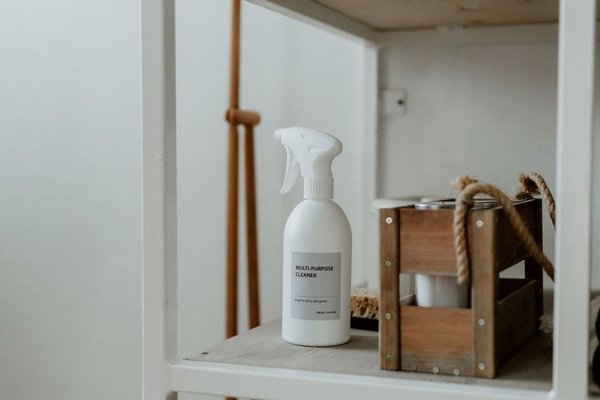
The best all purpose cleaner for home use is rarely the strongest bottle on the shelf. It is the one that removes common messes without damaging surfaces you clean every day. A kitchen counter with cooking oil needs a different approach from a faucet coated in mineral deposits, even if both products claim to tackle dozens of jobs.
Compare cleaners by soil type, surface compatibility, rinsing requirements and convenience, not fragrance or marketing promises. This household cleaner guide explains which formulas deserve a place in your cleaning kit and when a specialty product is safer.
Start With the Mess, Not the Marketing
For a useful all purpose cleaner comparison, think about what you wipe up most often. Dust, fingerprints and fresh food spills generally respond to mild detergent-based formulas. Hardened grease, limescale and stubborn stains usually need a different approach.
Most everyday cleaners contain surfactants, which help water lift oily or particulate dirt so a cloth can remove it. A cleaner does not need to foam heavily, smell strong or contain disinfectant to clean effectively. Wiping a dining table after breakfast is not the same job as tackling baked-on residue inside an oven.
Compare the Main Cleaner Types
Mild, Neutral or Near-Neutral Sprays
These are often the best starting point for sealed, washable household surfaces. Look for a label that specifically names your counters, painted finishes or other intended materials. Mild, low-residue formulas are useful for frequent wipe-downs.
Neutral does not mean universally safe: unfinished wood, electronic screens and some delicate coatings require manufacturer-approved methods. Test an inconspicuous spot if the label recommends it.
Kitchen Degreasers
Degreasers target oily buildup around stovetops, cabinet pulls and range hoods. Some use more alkaline chemistry or solvents than ordinary sprays. That additional power may affect sensitive finishes, so check compatibility with painted cabinets, aluminum and coated materials.
Choose a degreaser when a regular cleaner repeatedly leaves an oily film, not as the default for every room. Follow dilution and rinse directions.
Plant-Derived and Fragrance-Free Products
Plant-derived ingredients may clean effectively, but their origin alone does not prove a product is safer. The complete formula, concentration and label warnings matter more. Fragrance-free products suit people who prefer fewer added scents, but they are not automatically non-irritating.
Compare ingredient disclosure and clear instructions rather than vague claims such as natural or chemical-free. Water itself is a chemical.
Disinfecting Cleaners and Wipes
Cleaning removes dirt and many germs; disinfecting kills specified microorganisms when a suitable product is used correctly. CDC guidance says routine cleaning is generally sufficient in many homes, while disinfection becomes more relevant when someone is sick or especially vulnerable.
In the United States, check a disinfectant’s EPA registration number and labeled uses. The surface must stay wet for the specified contact time. Some products also require a water rinse on food-contact surfaces. An ordinary multi surface cleaner should never be assumed to disinfect.
Choose According to Surface Material
Kitchen Counters and Tables
A mild cleaner often works for daily spills on compatible sealed laminate and similar washable counters. Follow label directions for surfaces that contact food, including any rinsing. Packaging that pictures a kitchen does not automatically mean a product is appropriate for food-contact areas.
Natural stone needs extra caution. Vinegar and other acidic cleaners can etch marble, limestone and travertine. The Natural Stone Institute recommends suitable neutral cleaners for routine stone maintenance. Engineered stone and countertop coatings have their own care rules, so check the manufacturer’s instructions.
Bathroom Fixtures and Mirrors
Toothpaste splashes and fingerprints may disappear with an everyday spray, but hard-water scale often needs a compatible descaler. Acidic scale removers can damage stone and certain finishes; do not assume that a bathroom label guarantees safety for every fixture.
On glass, streaking may be more annoying than the original dirt. Try less product and finish with a clean, dry microfiber cloth before buying a stronger formula.
Wood, Screens and Delicate Finishes
Unfinished or waxed wood can absorb moisture, while device screens may have coatings that ordinary sprays can damage. Use approved, material-specific methods. For more detail, explore guidance on cleaning granite countertops, cleaning painted kitchen cabinets and getting streak-free mirrors.
What the Label Should Tell You
The front of a bottle sells versatility; the back explains its limits. Compare approved surfaces, recommended uses, dilution, dwell time and rinsing requirements. Concentrates may offer value and use less packaging per cleaning session, provided you measure them exactly. Extra-strong mixtures can leave residue or damage finishes.
Ready-to-use sprays are convenient for quick jobs. Concentrates need careful mixing and a correctly labeled bottle. Disposable wipes help with small spots but create more waste and can dry out. Compare cost per effective use, not bottle size alone: a cheap cleaner that requires repeated applications may be poor value.
Try This Real-Home Comparison
Suppose oil splashes onto a sealed laminate counter while nearby cabinet handles collect fingerprints. Remove loose food first. Apply a candidate cleaner as directed, wipe with a clean cloth, then inspect the surface in good light for greasy smears. Rinse if the label requires it. Test the cabinet finish separately in a hidden area, and only if that material is listed as compatible.
On another day, repeat the task with your existing mild cleaner. Compare passes needed, residue, scent and any dulling. Do not combine the products. This simple test says more about a cleaner for everyday messes than a claim that one bottle handles everything.
When a Specialty Product Is Safer
Even a strong general cleaner cannot replace a descaler for mineral buildup, an approved oven cleaner for baked-on grease or a stone-safe formula where the material requires it. Upholstery, porous materials and persistent mold problems also call for specific guidance.
Never mix cleaning chemicals, especially bleach with ammonia or acids, because dangerous gases can form. Follow ventilation and protective-equipment instructions, and store products securely away from children and pets. Never decant cleaner into an unlabeled food container.
Frequently Asked Questions
What is the best all purpose cleaner for home use?
For routine wiping, start with a mild, low-residue cleaner labeled for the washable surfaces you own. Choose based on actual cleaning performance and material compatibility rather than fragrance or advertising.
Can one cleaner work in kitchens and bathrooms?
Often, yes, for compatible sealed surfaces and light dirt. Stubborn kitchen grease or bathroom limescale may need specialty products, and food-contact surfaces can have additional rinsing requirements.
Does all-purpose cleaner disinfect?
Not automatically. Only use a product as a disinfectant if it carries appropriate disinfecting claims and, where required, registration. Follow the labeled contact time and surface instructions.
Is vinegar a universal cleaning alternative?
No. Although useful for certain deposits on compatible materials, vinegar can etch acid-sensitive stone and damage finishes. Homemade vinegar mixtures are not substitutes for registered disinfectants.
Keep the Kit Simple, Not Universal
A practical household kit starts with one dependable everyday spray plus targeted products for tasks it cannot handle safely. Match the label to your surfaces, test a small bottle before stocking up and judge the results by clean, undamaged finishes. The right all-purpose cleaner simplifies most chores without pretending every stain and material is identical.