
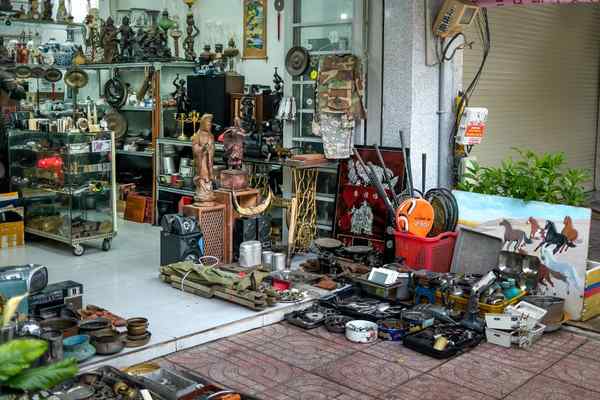
Thrift stores can be brilliant places to find character for a home, but the best purchases are rarely the loudest ones on the shelf. The real skill is learning to see past dust, bad staging, and an unfashionable finish while still recognising damage that will cost more to fix than the item is worth. A $6 frame can look custom with new artwork; a cracked ceramic lamp may be a project you never needed.
Shop for shape, material, scale, and condition first. Colour can often be changed, but warped wood, unsafe wiring, persistent odours, and structural cracks are much harder to justify. These thrifting tips help separate genuinely useful secondhand decor from pieces that are better left behind.
Start With Pieces That Are Easy to Judge
Some thrift store home decor finds are low-risk because you can inspect them thoroughly in a minute or two. Frames, mirrors, trays, solid wood objects, baskets, candleholders, and simple glassware all fall into this category. You can usually see whether they are stable, chipped, stained, or missing important parts before you buy.
They also adapt easily to different rooms. A brass tray can hold perfume, keys, or candles, while a sturdy frame can be repainted or left worn for a collected look. You are building flexible vintage home accents rather than trying to finish a room in one aisle.
What Is Usually Worth Buying
Solid Wood Frames and Mirrors
Good frames are among the safest thrift buys. Look for wood or sturdy moulded frames with intact corners and backing hardware. Ignore dated artwork if the frame itself has strong proportions. Large frames and mirrors can be especially worthwhile because similar new pieces often cost more.
Check mirrors for black spots around the edges, deep scratches, loose glass, and damaged hanging hardware. Minor cosmetic wear may add charm, but a heavy mirror with a weak frame is not worth the risk. A related internal topic is budget home decor ideas.
Glass, Ceramic, and Stone Vessels
Vases, bowls, pitchers, and planters are excellent secondhand decor buys because material and shape matter more than brand. Look for interesting glazes, neutral stoneware, coloured glass, or handmade irregularities. Run a finger carefully around rims and bases to detect chips that are easy to miss under store lighting.
Hairline cracks deserve more caution if you plan to use the item with water. A decorative vase for dried stems can tolerate minor flaws; a vase for fresh flowers should be watertight and structurally sound.
Lamps With Good Shapes
A lamp base with the right scale can transform a room. Ceramic, metal, glass, and solid wood bases are usually better candidates than flimsy plastic ones. Focus on the silhouette and whether the lamp sits level.
Electrical condition matters. If a cord is cracked, a plug is damaged, the socket feels loose, or there are signs of scorching, treat the lamp as needing professional rewiring rather than assuming it is safe to use. The purchase only makes sense if the repair still fits your budget.
Baskets, Boxes, and Small Storage
Woven baskets and sturdy decorative boxes are useful when they are clean, dry, and structurally firm. They can hide everyday clutter without looking utilitarian. Check natural-fibre pieces for broken strands, mildew, staining, or musty smells.
Measurements matter. If you need a basket for a 12-inch shelf, take that number with you. A beautiful basket that is two inches too wide is not a bargain; it is clutter. The same logic applies to most thrift purchases and fits naturally with small-space storage ideas.
What to Walk Past
Upholstered Pieces With Unknown Condition
Soft furnishings can hide stains, odours, pet damage, moisture, pests, and deteriorating foam. Unless you can inspect the piece thoroughly and are comfortable with cleaning or reupholstery costs, upholstered chairs, cushions, and fabric headboards are often higher-risk purchases than hard-surface decor.
Anything With Structural Damage
Loose joints, warped tops, swollen fibreboard, deep cracks, and missing structural parts are different from cosmetic scratches. A dated finish can be changed; failed construction is another matter. Press gently on furniture corners and legs. If the piece rocks because joints are separating, walk away unless you specifically want a repair project.
Decor That Needs Too Many Fixes
One easy update can make a thrifted item worthwhile. Five updates usually turn it into an obligation. A $10 lamp that needs rewiring, a new harp, a shade, paint, and a replacement finial may no longer be cheaper or easier than buying a lamp you already like.
A useful rule is to decide the maximum amount of work before checkout. You might accept cleaning plus one cosmetic change, but reject anything needing repair, missing hardware, and refinishing at the same time. That simple limit prevents project piles from following you home.
How to Spot Potential Without Buying Clutter
The most successful thrifting trips usually start with a short list. Write down two or three needs plus rough measurements. That gives you direction without eliminating the possibility of a surprise find.
Imagine you need a pair of bedside lamps but find only one attractive brass lamp. If matching lamps are important to your layout, buying it simply because it is cheap may create another problem. If your room already mixes finishes and you like mismatched lighting, it could be exactly right. Context matters more than the price tag.
Picture the item after it leaves the crowded shelf. Would you still choose it in a quiet room? Does it suit your furniture and scale? Those questions are more useful than asking whether something is trendy. For more ways to mix old and new pieces, vintage decorating ideas is another natural internal topic.
FAQ
What home decor should I always look for at thrift stores?
Frames, mirrors, sturdy lamps, vases, bowls, trays, baskets, candleholders, and small solid-wood pieces are good categories because their condition is easy to assess and they work in several rooms.
How do I know if thrifted decor is actually a good deal?
Consider more than the sticker price. Factor in condition, cleaning, replacement parts, repairs, and whether you have a place for the item. A cheap object that needs several fixes or has no clear use is not necessarily good value.
Should I repaint thrifted home decor?
Sometimes. Paint can rescue an unattractive finish, but it is not automatically an upgrade. Natural wood, aged brass, hand-painted ceramics, and distinctive vintage finishes may look better left intact. Clean the piece first, then decide whether the original surface adds character.
How can I avoid bringing home too much secondhand decor?
Shop with measurements, a short needs list, and a rule that every purchase must have an immediate location or function. Leaving a good item behind is better than filling a room with unrelated bargains.
Choose the Piece, Not the Price Tag
The best thrift store home decor finds earn their place because they are useful, well made, visually interesting, or difficult to replace at the same cost. Look past dated styling when the underlying piece is strong, but do not romanticise damage that creates safety issues or expensive repairs. With patience, secondhand shopping can add depth and individuality without turning every weekend find into a future project.