
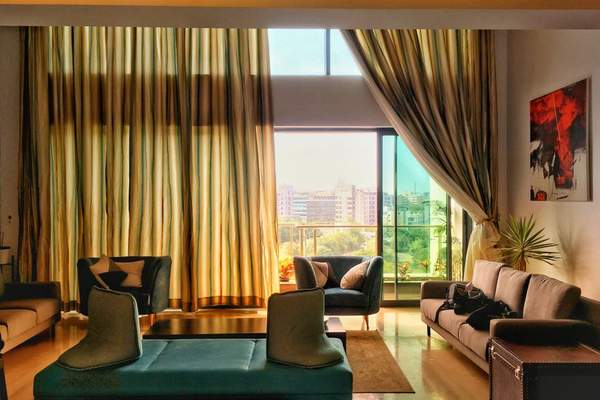
Large living rooms sound luxurious until you try to furnish one. A sofa, two chairs and a coffee table can look stranded in an oversized floor plan, while pushing everything against the walls makes the empty centre even more obvious. The answer is not to fill every metre with furniture. It is to shape the room around the way people actually gather.
That idea feels especially relevant in 2026, as interiors move away from stiff, showroom-perfect spaces and towards rooms that feel personal, comfortable and genuinely lived in. Creating conversation areas in large living rooms makes an expansive space warmer without sacrificing openness. The aim is to give each seating group a clear purpose while keeping an easy flow between zones.
Why Large Living Rooms Can Feel Disconnected
The main challenge is distance. When seats are too far apart, guests must raise their voices or move chairs. A television can also dominate the layout, turning every seat in one direction and leaving little opportunity for face-to-face conversation.
Scale adds another difficulty. Furniture that looked substantial in a shop may appear undersized beneath high ceilings and broad walls. A successful conversation area layout responds to the room’s dimensions while preserving human-scale comfort. People should feel gathered together, not scattered across an indoor hall.
Start With How You Really Use the Room
Before moving furniture, consider an ordinary week. Do you host friends, read near a window, play games with family or watch television most evenings? A large living room can support several activities, but each one needs a recognisable home.
Choose the most important function first. Your primary zone might be a relaxed seating arrangement for everyday conversation, while a secondary area could become a reading corner, games table or quiet pair of armchairs. This keeps the room from becoming a random collection of furniture.
Create One Strong Primary Conversation Area
Begin with the main social zone rather than designing the whole room at once. Use the largest sofa or sectional as the anchor, then position chairs so people can see one another comfortably. An L-shaped arrangement, a gentle semicircle or two sofas facing each other can all work.
A coffee table or ottoman gives the group a shared centre. Keep it close enough to reach without making the area cramped; roughly 35 to 45 centimetres from the sofa is a useful starting point. Side tables make individual seats practical rather than purely decorative.
Float Furniture Away From the Walls
One of the most effective large living room ideas is bringing the seating inward. Floating a sofa creates an immediate boundary and reduces the distance between people. Its back can act as a low partition between the conversation zone and a walkway, console table or second seating area.
Not every piece needs to sit in the centre. A balanced layout may combine floated furniture with one or two elements near the perimeter. The group simply needs to feel connected while circulation routes remain clear.
Define Each Zone With a Rug
In an oversized room, rugs act as visual foundations. Place the front legs of the main sofa and chairs on one large rug so the seating reads as a single unit. A rug that is too small can make the arrangement feel fragmented, so size it for the whole group rather than just the coffee table.
A second rug can establish another conversation area without adding walls. It does not need to match exactly. Coordinating colours, textures or patterns will keep the room cohesive while giving each zone its own identity.
Give the Secondary Area a Purpose
After establishing the main group, look at the remaining space. A window, fireplace, bookshelf or garden view can anchor a smaller area. Two comfortable chairs with a table between them create an intimate spot for coffee. A chaise and lamp can form a reading zone, while four compact chairs around a round table suit games and informal gatherings.
The secondary zone should feel intentional, not like leftover furniture pushed into a corner. Repeat one or two materials from the primary area, such as timber, brass, upholstery colour or cushion fabric. These links make the full room feel edited rather than divided into unrelated sets.
Keep Walkways Open and Obvious
Good zoning should never make a room difficult to cross. Leave generous routes between entrances, doors and frequently used areas. People should not have to weave around tables or pass through the middle of a conversation.
Use sofa backs, slim consoles and rug edges to guide movement. In many rooms, the best seating arrangement creates a natural corridor around social zones instead of through them. This keeps conversations comfortable and makes the room feel calm when several people are present.
Use Lighting to Create Warmth
A single ceiling fixture can make a large living room feel flat, especially at night. Give each conversation area its own lighting layer by combining table lamps, floor lamps, wall lights or pendants.
Lighting also reinforces boundaries. A floor lamp beside two chairs signals a reading corner, while a pendant above a games table makes that zone feel deliberate. Warm pools of light draw people together and stop the edges of the room from fading into darkness.
Add Character Without Overfilling
Large spaces tempt homeowners to buy more furniture simply to cover empty areas. Resist that impulse. A few substantial, well-positioned pieces usually work better than many small items. Use art, plants, books and textiles to add personality, but leave breathing space around them.
The most welcoming rooms do not look as though everything arrived on the same day. Combining older finds with newer furniture creates depth and reflects the lived-in direction influencing 2026 interiors. Comfort, character and social connection matter more than perfect symmetry.
Frequently Asked Questions
How many conversation areas should a large living room have?
Most large living rooms suit one primary seating group and one smaller zone. Very expansive rooms may support three, but each area should have a clear purpose and comfortable access.
Should all seating face the television?
No. The television can belong to the main zone without controlling every seat. Angle one or two chairs towards the sofa so guests can talk face to face while retaining a reasonable view of the screen.
Can the areas use different furniture styles?
Yes. Repeat a colour, wood tone, metal finish or fabric texture across the room so varied pieces still feel connected and intentional.
What is the easiest way to make a large room cosier?
Move seats closer together, add a correctly sized rug and introduce several warm light sources. These changes reduce visual distance without adding unnecessary furniture.
Conclusion
Creating conversation areas in large living rooms is less about dividing the space than giving it rhythm. Begin with one strong social zone, use rugs and lighting to define it, then create smaller areas around natural focal points. When seating encourages eye contact, walkways remain clear and every zone supports daily life, an oversized room stops feeling empty. It becomes a flexible, personal place where people naturally want to sit, talk and stay.