
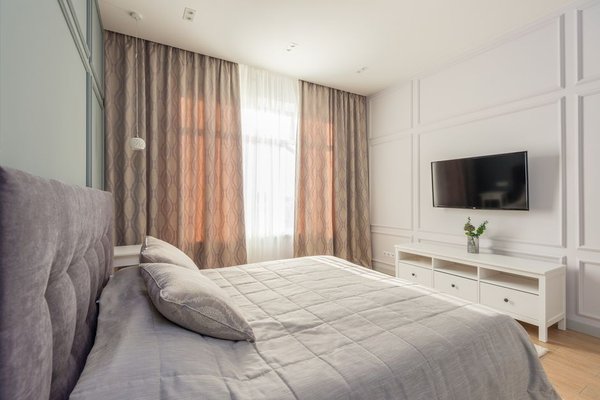
A calming bedroom does not have to be white, cold, or completely minimal. The most inviting rooms often use warm neutral color palettes for bedrooms: gentle shades of cream, sand, taupe, clay, mushroom, and softened brown that make the space feel settled without looking flat. In 2026, this warmer direction feels especially relevant as bedroom design continues to prioritise comfort, natural materials, and a spa-like sense of retreat.
A warm neutral scheme can look contemporary, rustic, or quietly luxurious depending on the finishes around it. The key is to choose neutrals with warm undertones, build subtle contrast, and let texture do some of the visual work.
What Makes a Neutral Palette Feel Warm?
Warm neutrals contain hints of yellow, red, brown, peach, or earthy green. Cream, oatmeal, camel, beige, warm greige, mushroom, and soft terracotta all belong in this family. Cooler neutrals tend to carry blue, violet, or crisp grey undertones.
Undertones become more noticeable once a colour covers an entire wall. A balanced beige may appear pink beside orange-toned timber, while greige can turn cooler in a north-facing room. View samples beside the flooring, headboard, curtains, and main furniture before deciding.
Warm Neutral Color Palettes for a Calming Bedroom
Cream, Oatmeal, and Natural Linen
For a light, airy bedroom, begin with soft cream rather than brilliant white. Add oatmeal bedding, natural linen curtains, and pale oak furniture. The shifts between cream, ivory, flax, and biscuit create depth while maintaining a peaceful effect.
This calming bedroom palette works well in smaller rooms because it reflects light without feeling stark. Add a few deeper details, such as a tan cushion, woven basket, or medium-toned timber bedside table, so the room does not look washed out.
Warm Greige, Taupe, and Walnut
Warm greige is a useful middle ground for anyone who likes grey but wants a softer result. Pair greige walls with taupe upholstery, walnut furniture, and off-white bedding. Darker wood gives the scheme definition, while creamy fabrics keep it restful.
Look for greige with beige or brown undertones rather than a blue base. This combination suits modern bedrooms, especially with simple furniture and tactile fabrics such as bouclé, wool, cotton, or linen.
Mushroom, Mocha, and Soft White
Mushroom is one of the most versatile neutral bedroom colors because it sits between taupe, brown, and muted grey. Use a medium mushroom tone on the walls, soft white on the ceiling and trim, and mocha or chocolate accents in small quantities.
A dark brown headboard, lamp, or throw can anchor the room without interrupting its calm. For an enveloping effect, paint the walls and woodwork in related mushroom tones, then introduce lighter bedding.
Sand, Clay, and Muted Blush
A sand-and-clay palette brings warmth through subtle red and peach undertones. Choose sandy beige for the walls, then layer muted blush, dusty terracotta, and unbleached cotton through cushions, artwork, or a quilt. The result feels sun-warmed rather than overtly pink.
This warm tone bedroom scheme works beautifully with rattan, cane, light oak, handmade ceramics, and plaster-like finishes. Keep clay shades muted, as highly saturated orange can feel energetic rather than restful.
Khaki, Olive Beige, and Stone
Earthy khaki is a notable neutral direction in 2026, reflecting a broader preference for grounded, adaptable colours. In a bedroom, softened khaki or olive-beige walls can feel natural and cocooning, especially with stone-coloured bedding and warm white trim.
Add dark wood, aged brass, or woven fibres for depth. Because khaki may shift greener or yellower with the light, test it carefully and favour a muted version over a strong military green.
Caramel, Camel, and Chalky Beige
For a richer look, combine chalky beige walls with camel upholstery and caramel-brown accents. This palette has more contrast than an all-cream room, yet remains cohesive because every shade shares a warm base.
Use deeper colours selectively on a bench, headboard, rug border, or cushions. Controlled accents create warmth and sophistication without making a compact bedroom feel heavy.
How to Layer Warm Neutrals Without Looking Flat
A successful neutral bedroom needs variation. Aim for at least three tonal levels: a light base, a middle shade, and a darker accent. Cream walls, taupe bedding, and walnut furniture are a simple example. The shift in value creates definition even when the colours are closely related.
Texture is equally important. Mix smooth cotton with linen, wool, bouclé, timber grain, ceramic, and woven fibres. Pattern can help too, but keep it subtle through fine stripes, small checks, tonal embroidery, or a softly mottled rug.
Use Lighting to Protect the Calm Mood
Natural and artificial light can transform a neutral shade. Warm morning or evening light may make beige feel golden, while cool daylight can expose grey or green undertones. Paint large sample areas on more than one wall and observe them throughout the day.
At night, use warm, diffused lighting instead of one bright ceiling fixture. Bedside lamps, shaded wall lights, and dimmable ambient lighting support a spa-like atmosphere without turning pale walls strongly yellow.
Coordinate the Palette With Existing Materials
Flooring, wardrobes, stone, window frames, and large furniture should guide the undertone of the scheme. Honey-toned timber works naturally with cream, camel, clay, and warm greige. Dark walnut pairs well with mushroom, taupe, and soft stone.
Metal finishes affect the mood too. Brushed brass and bronze strengthen warmth, while black adds definition. Chrome can still work, but it looks more balanced when repeated deliberately rather than appearing as one isolated cool detail.
Frequently Asked Questions
What is the most calming warm neutral for a bedroom?
Soft warm greige, oatmeal, mushroom, and muted beige are reliable choices because they feel gentle without becoming overly yellow. The best option depends on the room’s daylight and existing materials.
Can warm neutral bedrooms include grey?
Yes. Choose a warm grey or greige with beige, brown, or subtle red undertones. Pair it with cream textiles and natural wood to prevent the room from feeling cool.
How many neutral colours should a bedroom use?
Three to five related shades are usually enough. Use one main colour, one or two supporting tones, and a darker accent to create depth without visual clutter.
Should the ceiling be the same colour as the walls?
It can be. Using related warm tones across walls, trim, and ceiling creates a cocooning effect. In a low or dark room, a lighter ceiling may preserve a more open feeling.
Create a Bedroom That Feels Warm, Quiet, and Personal
The best warm neutral color palettes for bedrooms are not built from one perfect beige. They come from thoughtful layers of tone, texture, light, and natural material. Start with the fixed features in the room, test undertones carefully, and add contrast gradually. The result will feel calm and current in 2026, yet comfortable enough to outlast a passing trend.