
Spring cleaning works best when it feels like a reset, not a punishment for everything that happened over winter. Dust gathers behind furniture, coats crowd the entryway, and everyday wiping rarely reaches the tops of cabinets or window tracks. A useful spring cleaning checklist tackles those neglected spots without making the whole process overwhelming.
Work from high surfaces down to floors, and from dry dusting to wet cleaning. That order stops you from cleaning the same surface twice. Use the spring cleaning list below to choose the jobs your home actually needs.
Prepare for a Whole-Home Spring Clean
Start with a quick walk-through. Return misplaced items, bag obvious rubbish, and set aside donations. Cleaning is easier when you are not continually moving clutter. Keep one box for things needing a decision, but give yourself a date to empty it.
Gather your supplies
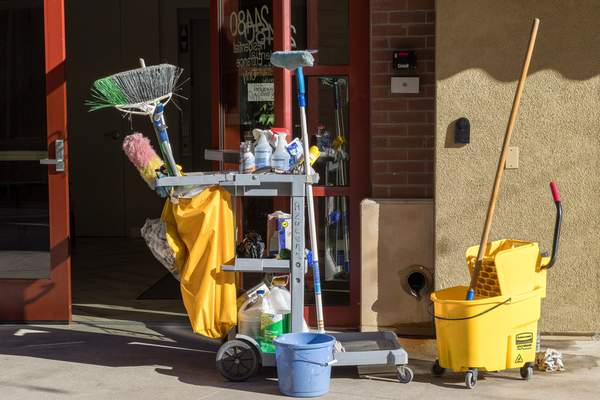
A vacuum with attachments, microfibre cloths, a soft brush, mop, bucket, suitable surface cleaner and old towels cover most tasks. Add gloves and a stable step stool for reachable high areas. Check labels before applying products to stone, wood or delicate finishes. Never mix bleach with ammonia, acids or other cleaners, and follow ventilation instructions.
Choose the right order
Dust ceiling corners and higher shelves first. Move to furniture, skirting boards and floors. Vacuum before mopping. Start laundry early so bedding and washable covers can run while you clean other spaces. The aim is less repeat work, not perfection.
Room-by-Room Spring Cleaning Checklist
Bedrooms: Refresh your sleeping spaces
☐ Wash bedding and mattress protectors according to their care labels. ☐ Vacuum accessible mattress surfaces and beneath the bed. ☐ Dust headboards, lamps, shelves and skirting boards. ☐ Wipe light switches and door handles. ☐ Sort clothes into keep, donate, repair and seasonal-storage groups.
A drawer at a time is usually better than emptying the entire wardrobe. Store winter bedding only when it is clean and completely dry, and stop after one section if your schedule is tight.
Living room: Clear dust and clutter
☐ Dust ceiling corners, frames, lamps and reachable vents. ☐ Vacuum sofa seams and beneath removable cushions. ☐ Move lightweight furniture safely to clean behind it. ☐ Wash throws and cushion covers where permitted. ☐ Clean remote controls without spraying electronics directly. ☐ Vacuum rugs and floors, then mop suitable hard surfaces.
Look behind the television unit and underneath sofas for debris that routine cleaning misses. Check the manufacturer’s care guidance before using water or an extraction machine on upholstery.
Kitchen: Tackle grease and forgotten shelves
☐ Clear expired food and wipe refrigerator shelves. ☐ Clean cupboard fronts, handles and splashbacks. ☐ Degrease the hob and accessible extractor surfaces according to the appliance instructions. ☐ Wipe the microwave and clean the oven when cool. ☐ Wash the bin. ☐ Clean the sink, then vacuum and mop.
Empty just one refrigerator shelf at a time, wash and dry it, then return chilled food promptly. If the oven needs major attention, schedule a separate session using a guide to how to deep clean an oven. You do not need to finish every difficult job in one afternoon.
Bathroom: Address moisture-prone corners
☐ Remove empty toiletries and wipe cabinets. ☐ Clean the sink, bath or shower with finish-safe products. ☐ Wipe taps, mirrors and toilet surfaces. ☐ Launder bathmats and washable shower curtains. ☐ Clear hair from accessible drain covers. ☐ Dust the extractor grille and check the fan works.
Pay attention to silicone joints and persistent damp smells. Recurring mould often indicates a moisture issue that cleaning alone will not solve. Avoid dry-brushing visible mould; investigate and correct the source of dampness. A separate bathroom deep cleaning guide can help with stubborn mineral deposits.
Hallways, entryways and cupboards
☐ Clean doormats and the floor beneath them. ☐ Wipe doors, banisters, handles and trim. ☐ Sort shoes, umbrellas, coats and shopping bags. ☐ Dust shelves and vacuum cupboard floors. ☐ Check for damp items before returning them to storage.
Keep the shoes and coats you use most often near the door. Put out-of-season items away so the entryway feels clear without losing its everyday usefulness.
Laundry and utility areas
☐ Wipe appliance exteriors and detergent spills. ☐ Clean the washing machine drawer, seal and accessible filter following its manual. ☐ Remove dryer-filter lint and check for blocked airflow. ☐ Organise supplies out of children’s reach. ☐ Mop floors and look for leaks around connections.
Unusually long dryer cycles or weak exhaust airflow may signal a vent problem. Consult appliance guidance or a qualified technician rather than dismantling equipment during routine seasonal cleaning.
Windows, Airflow and Outdoor Thresholds
☐ Dust blinds and window frames before cleaning glass. ☐ Wipe interior tracks and sills. ☐ Clean safely reachable windows on a mild, dry day. ☐ Dust accessible return-air grilles and change filters according to your system’s instructions. ☐ Sweep reachable porches, steps and balcony floors.
A focused guide to cleaning skirting boards can help with scuffs along the edges of rooms. Never lean out of upper-storey windows or climb onto roofs to complete your home reset checklist; use a professional for inaccessible glass or gutters.
Make Your Deep Spring Clean Manageable
Try spreading the jobs across a weekend. On Friday evening, declutter and start laundry. Use Saturday morning for bedrooms and the living room, then tackle the kitchen after lunch. Leave bathrooms, entryways and final floor cleaning for Sunday. A busy family may prefer two weekends instead.
Assign jobs by room if others can help, and keep at least one living space usable throughout. A ten-minute weekly clutter clear-out, regular dusting and prompt laundry will help preserve the reset. Your checklist should support normal life, not create an impossible standard.
Spring Cleaning FAQ
What should I clean first during spring cleaning?
Clear clutter first, then begin with higher surfaces and dry dusting. Finish with vacuuming and mopping so fallen dust does not land on already-clean floors.
How long does a spring cleaning checklist take?
That depends on your home’s size, condition and clutter. Break tasks into room-sized sessions rather than assuming one day will be enough. Start with the most-used spaces if time is limited.
How often should I do a deep spring clean?
Many households benefit from an annual seasonal reset alongside weekly upkeep. Pets, heavy foot traffic and individual household needs may call for more frequent attention to some tasks.
Do I need specialist cleaning products?
Usually not. Basic tools and cleaners suitable for each material cover most tasks. Use specialist products only when the surface and the product instructions call for them.
Make the Fresh Start Last
A good spring cleaning checklist reaches the buildup that ordinary routines miss and makes the home easier to manage. Save the list for next year, note which jobs took longer than expected, and protect the results with a few realistic weekly habits. A complete home reset is one you can live with.