
A clean home has a way of changing the mood of an entire day. The kitchen feels lighter, the floors seem brighter, and even the air feels a little easier to breathe. But for many people, cleaning has also become a cupboard full of plastic bottles, strong smells, disposable wipes, and products for every tiny corner of the house. It is easy to assume that a “properly clean” home needs all of that.
The truth is much simpler. With a few thoughtful habits, some basic ingredients, and a little planning, eco-friendly cleaning can be faster, cheaper, and gentler on daily life. These eco-friendly home cleaning tips are not about turning your home into a science project or spending an entire weekend making homemade products. They are about cleaning smarter, wasting less, and creating a home that feels fresh without relying on harsh routines.
Why Eco-Friendly Cleaning Makes Everyday Life Easier
Eco-friendly cleaning is often described as something people do for the planet, and that is true. Using fewer single-use plastics, reducing chemical runoff, and choosing reusable tools all make a difference. But the everyday benefits are just as important.
When you simplify your cleaning supplies, you spend less time deciding what to use. When you rely on reusable cloths instead of disposable wipes, you stop running out of things at the worst moment. When you clean regularly with mild ingredients, dirt does not build up into a bigger, more stressful job.
There is also the matter of smell. Many conventional cleaners leave behind a heavy artificial scent that can make a room feel “clean” at first, but overwhelming after a few minutes. Eco-friendly cleaning tends to focus on freshness rather than fragrance. Open windows, clean surfaces, dry fabrics, and uncluttered rooms often do more for a home than any perfume-heavy spray.
Start With Fewer, Better Cleaning Supplies
One of the simplest eco-friendly home cleaning tips is to reduce the number of products you use. Most homes do not need a separate cleaner for every surface. A basic set of supplies can handle the majority of daily messes.
White vinegar, baking soda, mild dish soap, lemon, warm water, and a few washable cloths can cover a surprising amount of cleaning. Vinegar helps cut through light grease and mineral buildup. Baking soda works well as a gentle scrub. Dish soap lifts oils and everyday grime. Lemon can freshen cutting boards and help with minor stains, though it should not be treated like a magic disinfectant.
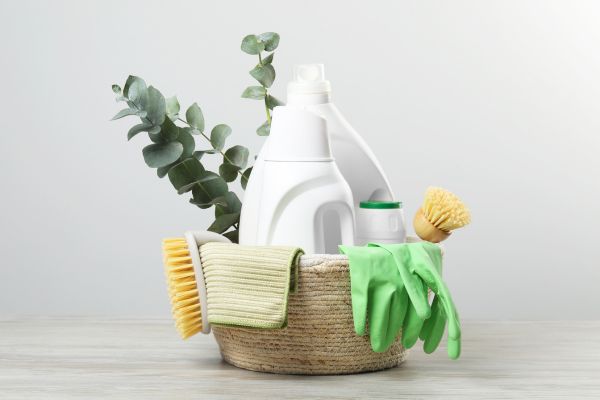
The real time-saving benefit comes from simplicity. Instead of digging through a crowded cabinet, you know exactly what to reach for. Keep your most-used items in one small basket or tray, and cleaning becomes less of a production.
Make Reusable Cloths Your Daily Cleaning Habit
Paper towels are convenient, but they disappear quickly. A few spills, a counter wipe-down, and suddenly half a roll is gone. Switching to reusable cloths is one of those small changes that quietly improves the whole cleaning routine.
Microfiber cloths, cotton rags, old T-shirts, and washable dishcloths can all work. Keep separate cloths for different areas, such as kitchen counters, bathroom surfaces, mirrors, and dusting. This avoids spreading grime from one room to another.
A simple system helps. Place clean cloths in an easy-to-reach basket and keep a small laundry bag or bin nearby for used ones. Once or twice a week, wash them together. This habit cuts waste, saves money over time, and keeps cleaning tools ready when you need them.
Clean as You Go Without Turning It Into a Chore
The phrase “clean as you go” can sound annoying, especially after a long day. But it does not have to mean constant tidying. It simply means handling small messes before they become stubborn ones.
Wipe the stove after cooking, before grease hardens. Rinse the sink after washing dishes. Sweep crumbs when they are fresh. Hang damp towels so they dry properly instead of developing a musty smell. These little actions take seconds, but they prevent bigger jobs later.
Eco-friendly cleaning works best when you reduce the need for aggressive scrubbing. A surface cleaned lightly each day usually does not need strong chemicals later. It is not about being perfect. It is about staying one small step ahead of buildup.
Use Baking Soda for Gentle Scrubbing
Baking soda is a classic cleaning ingredient for a reason. It is mildly abrasive, which means it can help loosen grime without scratching many surfaces. It is useful for sinks, stovetops, oven doors, tubs, and stained mugs.
For a quick scrub, sprinkle baking soda onto the surface and add a little water to make a paste. Let it sit for a few minutes, then scrub gently with a cloth or sponge. For tougher kitchen spots, a drop of dish soap can help break down grease.
The key is patience. Many people scrub too hard too soon. Letting the paste sit gives it time to soften the mess, which saves effort. That is where eco-friendly cleaning often becomes more practical than expected. It is not weaker cleaning; it is slower, gentler cleaning that often requires less force.
Use Vinegar Carefully and Wisely
Vinegar is useful, but it is not suitable for everything. It works well on glass, some faucets, showerheads, and light mineral deposits. It can also freshen certain drains when used with hot water, though it is not a replacement for proper plumbing care.
However, vinegar should not be used on natural stone surfaces such as marble or granite because its acidity can damage them. It is also best to avoid using it on certain wood finishes, waxed surfaces, and electronics. Always check the surface before applying it widely.
A simple vinegar-water spray can be helpful for everyday cleaning. Use equal parts vinegar and water for glass or light surface cleaning, and add a small amount of dish soap if grease is involved. The smell usually fades as it dries, especially if the room is ventilated.
Let Fresh Air Do Some of the Work
Sometimes a home does not need more fragrance. It needs air movement. Opening windows for even ten minutes can help reduce stale smells, moisture, and indoor stuffiness. This is especially useful after cooking, showering, or cleaning.
Fresh air also helps fabrics dry faster. Dampness is one of the main reasons homes develop unpleasant odors. Bath mats, towels, kitchen cloths, and curtains can all trap moisture. Hanging them properly, using sunlight when possible, and improving ventilation can prevent many odor problems before they start.
This is one of the most overlooked eco-friendly cleaning habits because it feels too simple. Yet it saves time by reducing the need to mask smells with sprays or repeatedly wash items that never dried well in the first place.
Choose Concentrated or Refillable Products When Needed
Not every cleaning product has to be homemade. Some jobs are easier with a ready-made cleaner, and that is fine. Eco-friendly cleaning is not about perfection. It is about better choices where they make sense.
Concentrated cleaners and refillable products can reduce packaging waste. Instead of buying a new plastic bottle every time, you refill the same container or dilute a concentrate at home. This also saves storage space because you are not keeping multiple bulky bottles under the sink.
When choosing products, look for clear ingredient information and avoid buying more than you need. A single reliable all-purpose cleaner is often more useful than five specialty bottles that rarely get used.
Replace Disposable Tools Gradually
A more sustainable home does not need to happen overnight. In fact, trying to replace everything at once can be expensive and wasteful. A better approach is to use what you already have, then replace disposable or plastic-heavy items when they run out.
Swap disposable wipes for washable cloths. Replace plastic scrubbers with wooden brushes, natural-fiber sponges, or durable scrub pads. Use a refillable spray bottle instead of buying a new cleaner every month. Try wool dryer balls instead of single-use dryer sheets.
Small swaps are easier to maintain because they fit naturally into your routine. Over time, your cleaning cupboard becomes simpler, less wasteful, and more pleasant to use.
Keep the Kitchen Cleaner With Small Daily Resets
The kitchen usually creates the most mess, so it benefits most from a quick daily reset. This does not need to be a full deep clean. A few minutes at the end of the day can make the next morning feel calmer.
Wash or load dishes, wipe counters, rinse the sink, and sweep visible crumbs. If something spilled in the fridge, clean it before it spreads or dries. Keep food containers closed to avoid odors and waste. Use washable covers or containers instead of relying heavily on plastic wrap.
A clean kitchen also helps reduce pests, smells, and food waste. When counters are clear and leftovers are visible, you are less likely to forget food until it spoils. That is an eco-friendly habit that saves both time and money.
Make Bathroom Cleaning Less Harsh
Bathrooms often push people toward strong cleaners because soap scum, moisture, and odors build up quickly. But regular light cleaning can reduce the need for harsh products.
After showers, leave the door or curtain open so the area dries. Use a squeegee on glass or tiles to reduce water marks. Wash bath mats regularly and hang towels properly. A baking soda paste can help with sinks and tubs, while diluted vinegar may help with mineral deposits on suitable surfaces.
Toilet cleaning still needs proper hygiene, of course, but it does not always require overpowering scents. A regular schedule matters more than a strong smell. Clean, dry, and ventilated is the goal.
Dust With Intention, Not Just Speed
Dusting can feel endless, especially in homes with open shelves, pets, or nearby traffic. The trick is to dust in a way that actually removes particles instead of spreading them around.
Use a slightly damp reusable cloth for surfaces, starting from higher areas and moving downward. Shake or wash the cloth afterward. For floors, vacuum or sweep after dusting so anything that falls gets picked up.
Decluttering also makes dusting faster. The fewer small items sitting out, the easier it is to clean surfaces properly. This does not mean your home has to look empty. It just means choosing what deserves space and storing the rest in a way that keeps cleaning manageable.
Create a Simple Weekly Cleaning Rhythm
A cleaning routine should help your life, not control it. Instead of saving everything for one exhausting day, spread tasks across the week. One day can be for laundry, another for bathrooms, another for floors, and another for dusting. Keep it loose enough that it can survive real life.
This rhythm saves time because mess does not reach crisis level. It also makes eco-friendly methods more effective. Gentle cleaners work best when used regularly. Once grime becomes thick, old, or sticky, any method takes longer.
The best routine is the one you can repeat without feeling trapped by it. Even fifteen focused minutes can reset a room.
A Cleaner Home With a Lighter Footprint
Eco-friendly cleaning is not about making life harder. Done well, it does the opposite. It removes clutter from your cabinets, reduces waste, softens the harsh smells of traditional cleaning, and turns big cleaning days into smaller, easier habits.
The most useful eco-friendly home cleaning tips are often the simplest ones: use fewer products, clean small messes early, switch to reusable cloths, let fresh air in, and choose tools that last. None of these changes need to be dramatic. They just need to be consistent.
A home does not have to smell like chemicals to be clean. It does not need endless plastic bottles to feel cared for. Sometimes, a cloth, warm water, a little patience, and an open window are enough to bring the whole place back to life.