
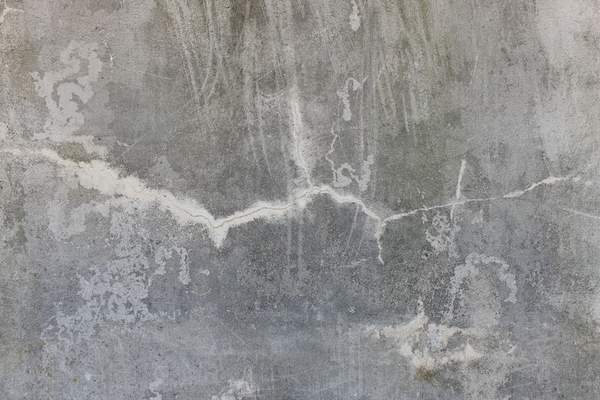
Small cracks in concrete are easy to ignore because they often look cosmetic at first. But once water and grit get into an opening, a minor line can become harder to repair cleanly. The goal is to clean the damaged area, choose a filler that suits how the concrete moves, and seal the opening before debris and moisture make the problem worse.
For most homeowners, this is a reasonable DIY job when the crack is narrow, stable, and the concrete on both sides remains level. Cracks accompanied by sinking, lifting, repeated widening, or significant water entry deserve more investigation before using concrete filler.
First, decide whether the crack is suitable for a DIY repair
Before you seal concrete cracks, look at what the slab is telling you. A thin crack in an otherwise flat garage floor or walkway is very different from a crack where one side has dropped or heaved. Surface sealing can keep out dirt and water, but it cannot correct settlement, poor drainage, frost heave, or a structural problem below the slab.
A small, stable crack is a better candidate for DIY concrete crack repair when it has little or no vertical displacement and has not noticeably widened over time. If it keeps returning after previous repairs, creates a trip edge, or is associated with ongoing movement, consider having the cause assessed first.
Choose the right type of concrete filler
The best repair material depends on whether the opening is a simple crack or a joint designed to move. Rigid cement-based patching compounds can work well for small static defects. Flexible polyurethane or elastomeric sealants are often better for joints and cracks that experience minor seasonal movement. Some horizontal sealants are self-leveling, which can help them settle neatly into floor and walkway openings.
Epoxy repair products are strong, but a rigid epoxy can be unsuitable where movement is expected. A product intended for an interior floor may also fail outdoors. Check the label for substrate, crack width, indoor or outdoor use, moisture conditions, and cure requirements.
For a deeper opening, the manufacturer may recommend backer rod. This compressible foam supports flexible sealant at the proper depth and avoids filling the entire void with expensive material.
Prepare the crack before applying anything
Clean out loose material
Loose concrete, dust, old failed filler, paint, and dirt can prevent good adhesion. Use a stiff brush, scraper, or suitable hand tool to remove detached material, then vacuum the crack thoroughly. If you wash an outdoor crack, let the concrete reach the moisture condition required by the repair product before application.
Shape the opening only when required
Do not automatically grind every hairline crack into a wide channel. Some fillers flow into narrow cracks, while others need a minimum width or prepared groove. Follow the product instructions rather than enlarging sound concrete unnecessarily. If cutting or grinding is required, use suitable eye, hearing, and dust protection.
How to seal a small concrete crack
Apply the filler steadily
With the crack clean and prepared, apply the repair material from one end to the other so it contacts the sides. For cartridge sealant, keep consistent pressure on the caulking gun and avoid trapping large air gaps. For a pourable product, work slowly enough that the material can settle without overflowing.
Cement-based fillers may need to be pressed firmly into the defect and finished flush with the surrounding surface. Avoid smearing excess material over a wide area because cured residue can leave a visible patch.
Respect the curing window
Cure time varies by product. Some repairs tolerate foot traffic soon, while others need much longer before they can be driven over, painted, or exposed to water. Outdoors, protect a fresh repair from rain, freezing conditions, and heavy traffic for the period specified by the manufacturer.
A practical walkway example
Imagine a narrow crack across a front walkway. The two sides are level, the crack has looked the same for months, and there is no loose slab movement. Remove grit and weak edges, vacuum the opening, confirm the outdoor sealant suits the crack width, add backer rod only if the product calls for it, then fill the crack and keep people off the area during curing.
Now change one detail: one side is noticeably higher than the other. Filling the gap may make it look tidier, but it will not remove the trip hazard or stop ongoing movement. At that point, repairing walkway cracks becomes less about sealing and more about finding out why the slab shifted.
Common mistakes that shorten the life of a repair
Applying filler over dust is one of the fastest ways to get poor adhesion. Other mistakes include using a rigid patch in an opening that moves, filling a deep joint without backer rod when one is recommended, and applying a product to damp concrete when it requires a dry surface.
Do not treat expansion or isolation joints as ordinary cracks. These joints are meant to accommodate movement and generally need a flexible joint sealant rather than a hard patch. Surface sealing also will not fix poor drainage beneath an outdoor slab or persistent moisture coming through a floor.
When to call a professional
Get expert advice if a crack is widening quickly, returns repeatedly after repair, is paired with significant vertical movement, or appears alongside broader signs of settlement. Persistent water entry in a basement or slab floor also deserves diagnosis because the source may be below or beyond the visible crack.
Related topics worth exploring include concrete surface cleaning, fixing uneven walkways, and improving drainage around concrete slabs.
Frequently asked questions
Can I seal a hairline crack in concrete?
Often, yes, if the crack is stable and the chosen product is rated for very narrow openings. Some liquid repair products are made for hairline cracks. Do not widen the crack unless the manufacturer’s instructions require it.
Should I use cement filler or flexible sealant?
Use the type recommended for the location and expected movement. Cement-based materials suit many static defects, while flexible polyurethane or elastomeric products are generally better where small movement is expected. Joints designed to move should not usually be filled with a rigid patch.
How long should concrete crack repair cure?
There is no universal curing time. It varies by product, temperature, humidity, crack size, and intended use. Follow the stated time for foot traffic, vehicle traffic, water exposure, painting, or other loads.
Will sealing a crack stop it from coming back?
Not necessarily. A good repair can keep out debris and reduce water entry at the surface, but it cannot eliminate ongoing slab movement. If the crack continues to widen or the concrete shifts, the cause needs attention.
Keep small cracks small
Good concrete repair starts with restraint: fix openings that are genuinely suitable for a surface repair, and do not use filler to hide signs of a larger problem. Clean the crack carefully, match the material to the way the concrete behaves, apply it according to the manufacturer’s directions, and give it enough time to cure. That gives small floor and walkway cracks the best chance of staying sealed while helping you recognize repairs that need more than a tube of sealant.